


Navigation
Contact us
Phone
Message
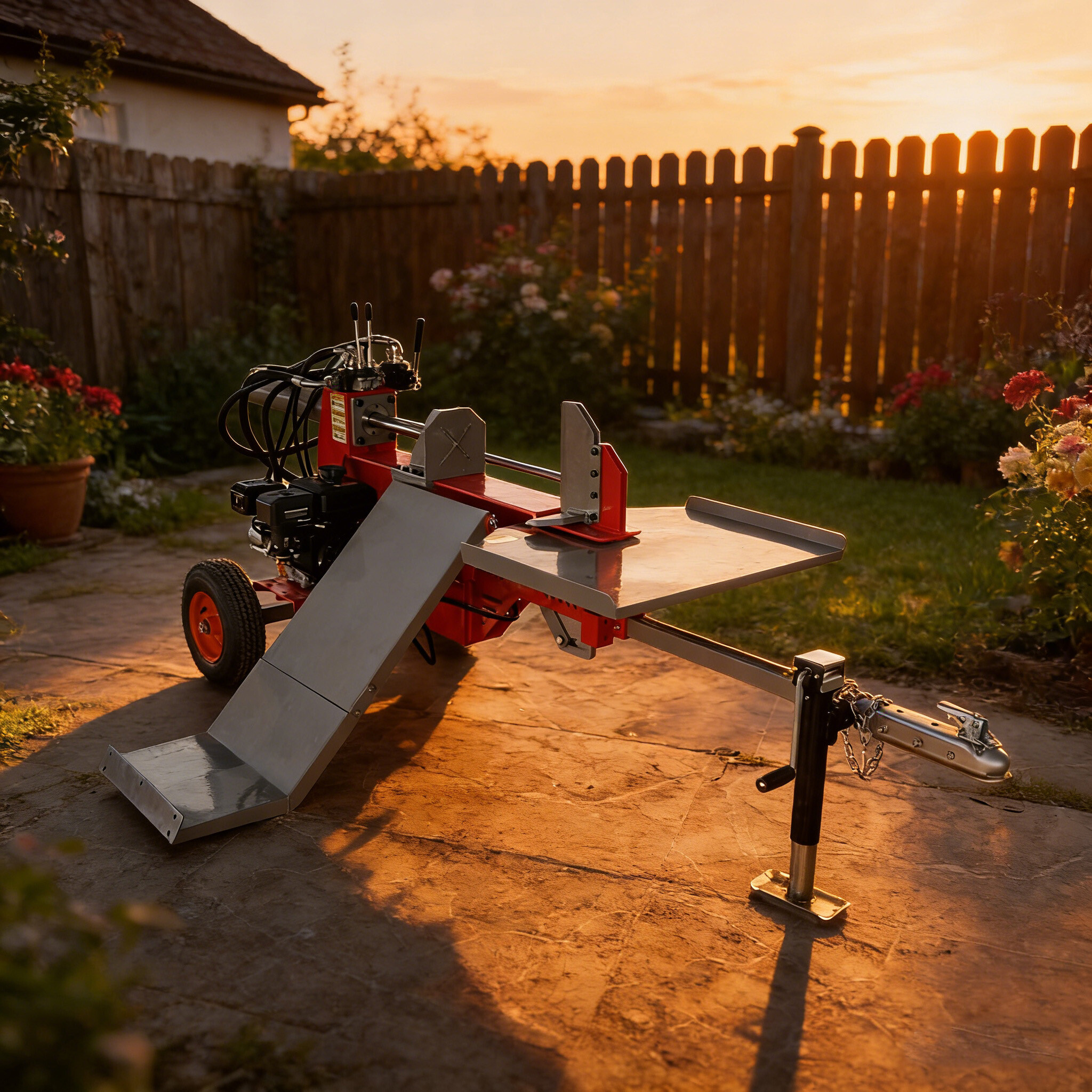
As sustainability becomes an increasingly critical consideration in industrial operations, evaluating the environmental impact of wood processing equipment like log splitters is essential. Key concerns such as energy consumption, emissions, noise pollution, and hydraulic fluid management can influence not only operational costs but also regulatory compliance and brand reputation.
This article explores the environmental implications of log splitters, with a particular focus on energy efficiency and pollution management.
1. Energy Efficiency in Log Splitters
Energy Use and Efficiency Factors:
Log splitters operate using various power sources such as electric, gasoline, and hydraulic systems. The energy efficiency of these systems depends on factors such as:
Power Source: Electric models are generally more energy-efficient than gasoline or diesel-powered machines.
Hydraulic System Design: Advanced hydraulic systems with optimized pumps and valves can reduce energy losses, especially in high-tonnage splitters.
Cycle Time: Efficient use of cycle time, such as minimizing idle periods, contributes to better energy performance.
Electric-powered log splitters typically have a lower carbon footprint and consume less energy compared to their gasoline and diesel counterparts.
2. Emissions and Air Pollution
Impact of Combustion Engines:
Gasoline and diesel-powered log splitters emit pollutants such as carbon monoxide (CO), nitrogen oxides (NOx), and particulate matter. These emissions contribute to air pollution and can have negative health effects on workers and nearby residents.
Key Environmental Considerations:
Compliance with emission standards like EPA and EU regulations ensures that combustion engines meet minimum emission limits.
Maintenance and fuel quality can reduce the amount of harmful emissions during operation.
Minimizing idle time reduces the emission of CO and other pollutants.
Modern internal combustion engines that adhere to emissions regulations are a step forward in reducing the environmental impact of log splitters.
3. Noise Pollution
Sources of Noise Pollution:
Engine noise (primarily in gasoline or diesel-powered models)
Hydraulic pump operation
Mechanical vibration from moving parts
Electric log splitters are generally quieter than their gas-powered counterparts, making them a better option for residential or urban environments. Noise-reduction features such as better insulation and quieter pumps can help reduce operational noise levels.
Environmental Considerations:
Noise pollution can affect the surrounding environment, particularly in residential or natural areas.
Noise reduction benefits both the operator's comfort and compliance with local noise regulations.
4. Hydraulic Fluid and Contamination Risks
Hydraulic Oil Usage:
Log splitters use hydraulic oil to operate, and improper maintenance can lead to oil leaks, contamination, or improper disposal of used fluids.
Environmental Risks:
Leaking hydraulic fluids can contaminate soil and water sources.
Inadequate disposal of old hydraulic fluid can contribute to landfill pollution and waterway contamination.
To minimize these risks, log splitters can use biodegradable hydraulic oils and ensure proper maintenance practices are followed to avoid leaks.
5. Lifecycle and Resource Management
Sustainability Considerations:
Durability: Log splitters built with high-quality, durable materials last longer and reduce the frequency of replacement, contributing to fewer resources used over time.
Recyclability: Log splitters made from recyclable metals like steel contribute to less waste and a smaller environmental footprint at the end of their lifecycle.
Repairability: Machines designed with easily replaceable parts are more sustainable as they reduce the need for full machine replacements and decrease resource consumption.
Investing in durable, recyclable, and repairable log splitters not only benefits the environment but also offers long-term cost savings for businesses.
6. Technological Innovations for Lower Environmental Impact
Energy-Saving Features:
Modern log splitters are incorporating various technological advancements to reduce energy consumption and improve operational efficiency:
Variable displacement hydraulic pumps that adjust to load demands, reducing unnecessary energy consumption.
Smart load-sensing systems that detect wood density and adjust force accordingly.
Automatic shut-off and idle features that reduce energy usage when the machine is not in operation.
These innovations help reduce overall energy consumption and contribute to sustainability.
7. Compliance with Environmental Regulations
Log splitters must adhere to local and international regulations for emissions, noise levels, and energy use, such as CE, ISO, and EPA standards. Compliance not only minimizes environmental harm but also improves market access and consumer trust.
Benefits of Compliance:
Easier market access, particularly in environmentally-conscious regions
Reduced risk of legal penalties
Enhanced brand reputation and customer loyalty
Conclusion
The environmental impact of log splitters depends on factors such as energy efficiency, emissions, noise pollution, and hydraulic fluid management. Choosing environmentally responsible models, such as electric-powered or highly efficient hydraulic systems, can significantly reduce operating costs, minimize pollution, and ensure compliance with environmental regulations. By focusing on sustainability in design and operation, log splitters can contribute to a greener, more efficient wood processing industry.
This stunning beach house property is a true oasis, nestled in a serene coastal community with direct access to the beach.
Contact
West Street, Melbourne Victoria 3000 Australia