


Navigation
Contact us
Phone
Message
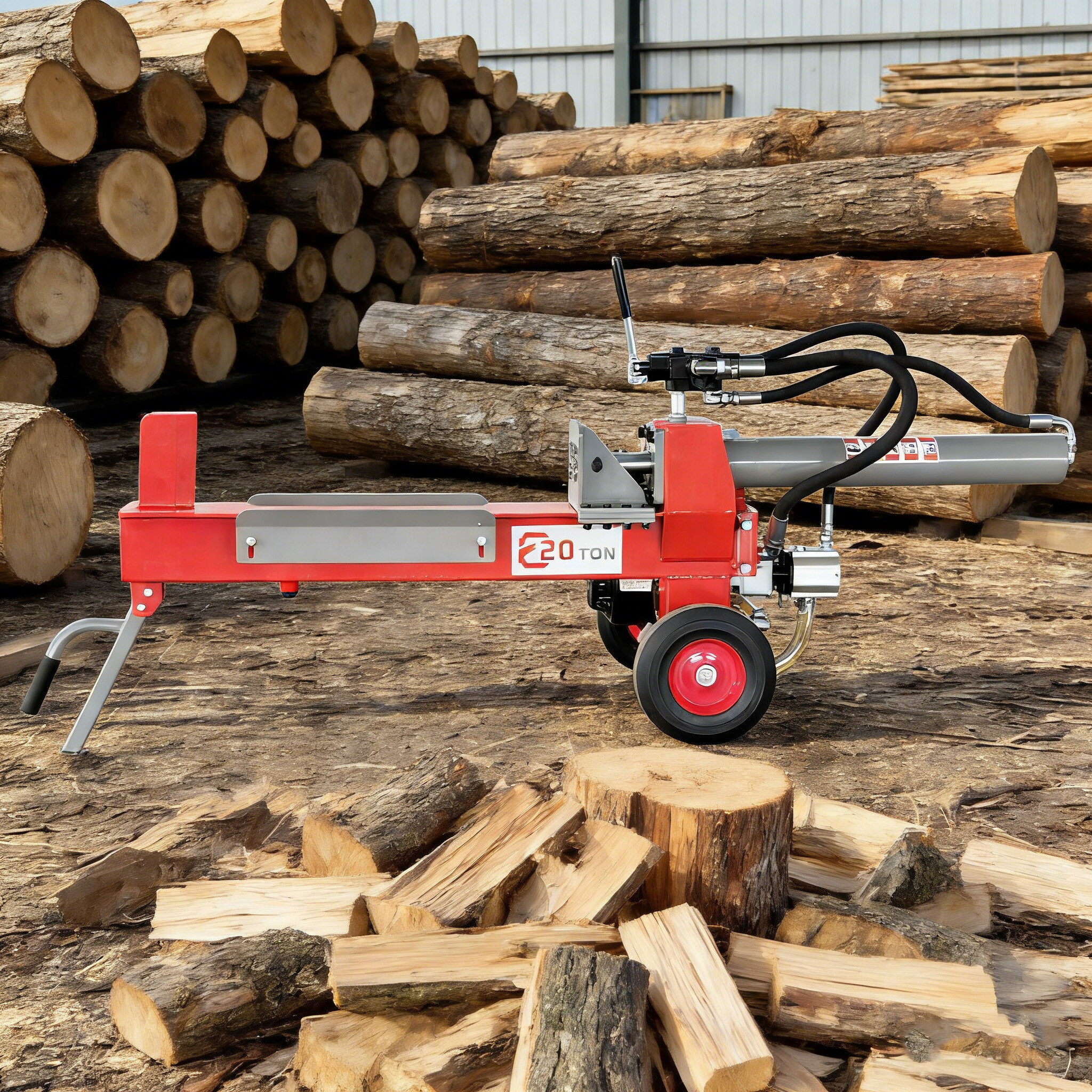
Using a log splitter efficiently is important, but protecting wood quality is equally critical, especially for commercial applications or woodworking projects. Improper handling can lead to cracks, splintering, or uneven surfaces. This guide outlines practical steps to maintain wood integrity during splitting.
1. Choose the Right Log Splitter for the Job
Key Tips:
Match the splitter tonnage to the wood type and size
Use hydraulic splitters for hardwood or large-diameter logs
Avoid oversized logs that exceed machine capacity
Selecting the right machine reduces unnecessary stress on the wood and prevents excessive splitting damage.
2. Prepare Wood Properly
Best Practices:
Cut logs to recommended lengths before splitting
Remove dirt, stones, or debris that can impact the blade
Avoid splitting twisted or irregular logs without repositioning
Proper preparation ensures stable placement and cleaner splitting results.
3. Align Logs with Natural Grain
Key Tips:
Position logs so the splitting blade follows the natural grain
Split along existing cracks whenever possible
Avoid forcing logs against the blade at awkward angles
Correct alignment reduces internal cracking and splintering.
4. Control Splitting Force and Speed
Best Practices:
Apply steady, controlled pressure rather than forcing the splitter
Adjust hydraulic speed settings for dense or difficult wood
Reposition logs if splitting resistance is high
Controlled operation prevents sudden stress that can damage wood fibers.
5. Split Logs in Stages for Large Wood
Recommended Approach:
For oversized or hardwood logs, split them into halves first
Continue splitting smaller sections gradually
Gradual splitting reduces internal tension and preserves wood structure.
6. Maintain the Blade and Equipment
Key Actions:
Keep the splitting blade sharp, straight, and undamaged
Inspect hydraulic systems regularly for leaks or pressure issues
Ensure the platform or table is stable and smooth
A well-maintained splitter produces cleaner cuts and prevents wood damage.
7. Minimize Repositioning and Handling
Efficiency and Quality Tips:
Organize logs near the splitting area
Reduce unnecessary lifting and manual handling
Use supports or cradles for heavy logs
Stable handling reduces accidental bruising and surface damage.
Conclusion
Protecting wood quality during log splitting requires correct machine selection, careful log preparation, proper alignment, controlled splitting, and routine maintenance. Following these best practices ensures cleaner splits, reduced waste, and higher-quality output.
For commercial users and woodworking professionals, applying these methods helps maintain the integrity of wood while maximizing productivity.
This stunning beach house property is a true oasis, nestled in a serene coastal community with direct access to the beach.
Contact
West Street, Melbourne Victoria 3000 Australia