


Navigation
Contact us
Phone
Message
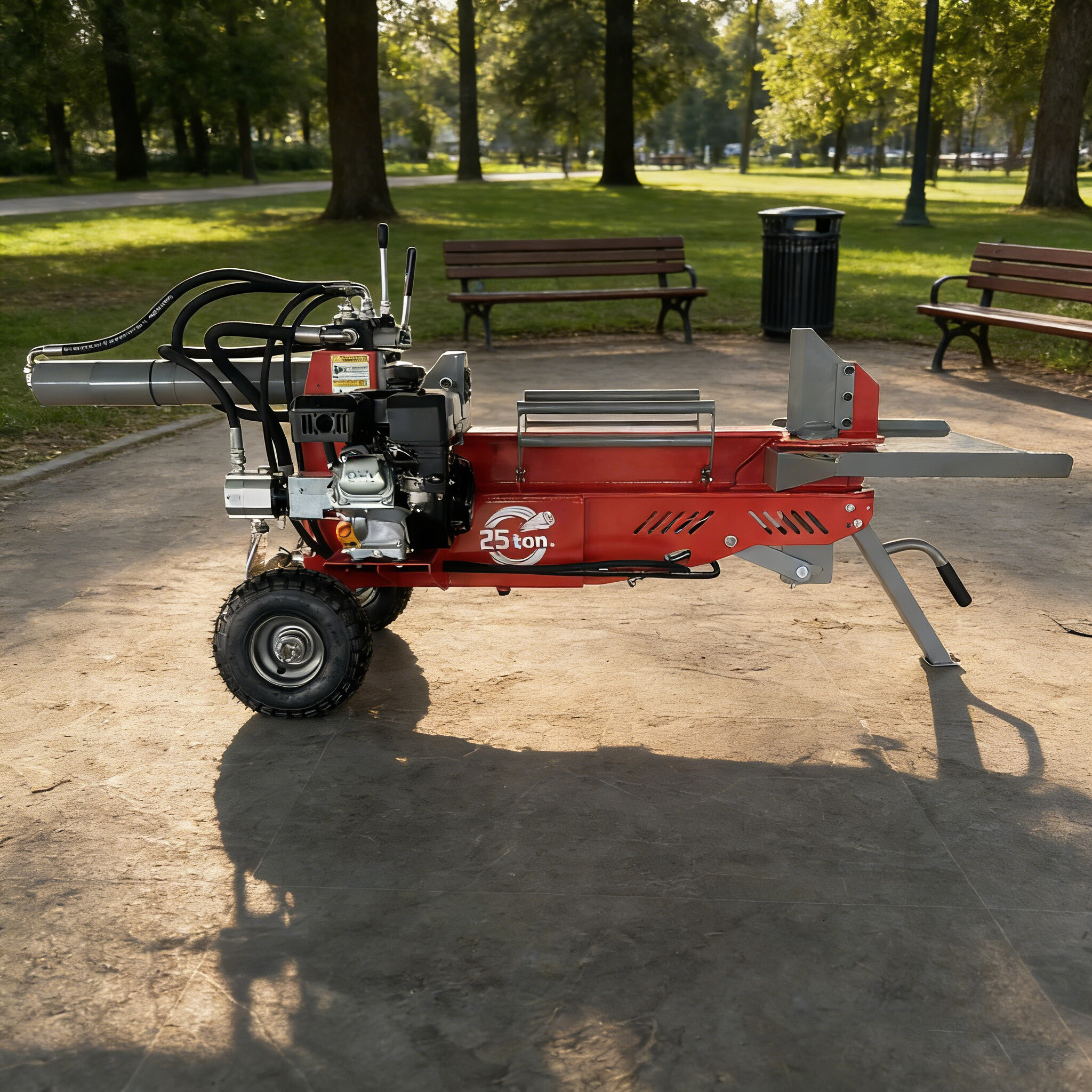
The splitting blade is a critical component of a log splitter, directly affecting splitting efficiency, wood quality, and operational safety. Proper blade maintenance and timely replacement help ensure consistent performance and extend the overall service life of the equipment.
This guide explains best practices for log splitter blade care and replacement.
1. Importance of Blade Maintenance
Regular blade maintenance ensures:
Consistent and efficient splitting performance
Reduced resistance during splitting
Lower stress on hydraulic and mechanical components
Improved safety and reduced risk of blade failure
Well-maintained blades help maintain stable operation and productivity.
2. Routine Blade Inspection
Inspection Points:
Check for cracks, deformation, or excessive wear
Inspect blade edges for chipping or rounding
Ensure blade mounting bolts are tight and secure
Recommended Frequency:
Inspect before daily operation
Perform detailed checks during scheduled maintenance
Early detection of wear prevents unexpected downtime.
3. Blade Cleaning and Surface Care
Best Practices:
Remove wood residue, sap, and dirt after operation
Keep blade surfaces dry to prevent corrosion
Apply light protective oil during long-term storage
Clean blades maintain proper contact with wood and reduce friction.
4. Blade Sharpening Considerations
Unlike cutting blades, log splitter blades rely on wedge force rather than sharp edges.
Guidelines:
Sharpening is generally not required for most splitter blades
Maintain correct blade geometry and wedge angle
Avoid excessive grinding that may weaken the blade
Replace the blade if structural damage is detected.
5. When to Replace the Blade
Replacement Indicators:
Visible cracks or structural damage
Severe deformation affecting alignment
Excessive wear reducing splitting efficiency
Operating with a damaged blade increases equipment stress and safety risks.
6. Blade Replacement Procedure (General)
Basic Steps:
Power off the machine and disconnect all power sources
Secure the splitter to prevent movement
Remove mounting bolts and carefully detach the blade
Install the new blade and tighten fasteners to specifications
Perform a test run with light loads
Always follow the manufacturer’s instructions during replacement.
7. Safety Precautions During Maintenance
Safety Tips:
Wear protective gloves and eye protection
Ensure hydraulic pressure is fully released
Never perform blade maintenance while the machine is powered
Proper safety procedures reduce maintenance-related risks.
Conclusion
Proper blade maintenance and timely replacement are essential for maintaining log splitter performance, safety, and service life. Routine inspection, cleaning, and correct handling of blades help ensure efficient splitting and minimize equipment downtime.
For professional users and distributors, standardized blade maintenance practices contribute to long-term reliability and reduced operating costs.
This stunning beach house property is a true oasis, nestled in a serene coastal community with direct access to the beach.
Contact
West Street, Melbourne Victoria 3000 Australia