


Navigation
Contact us
Phone
Message
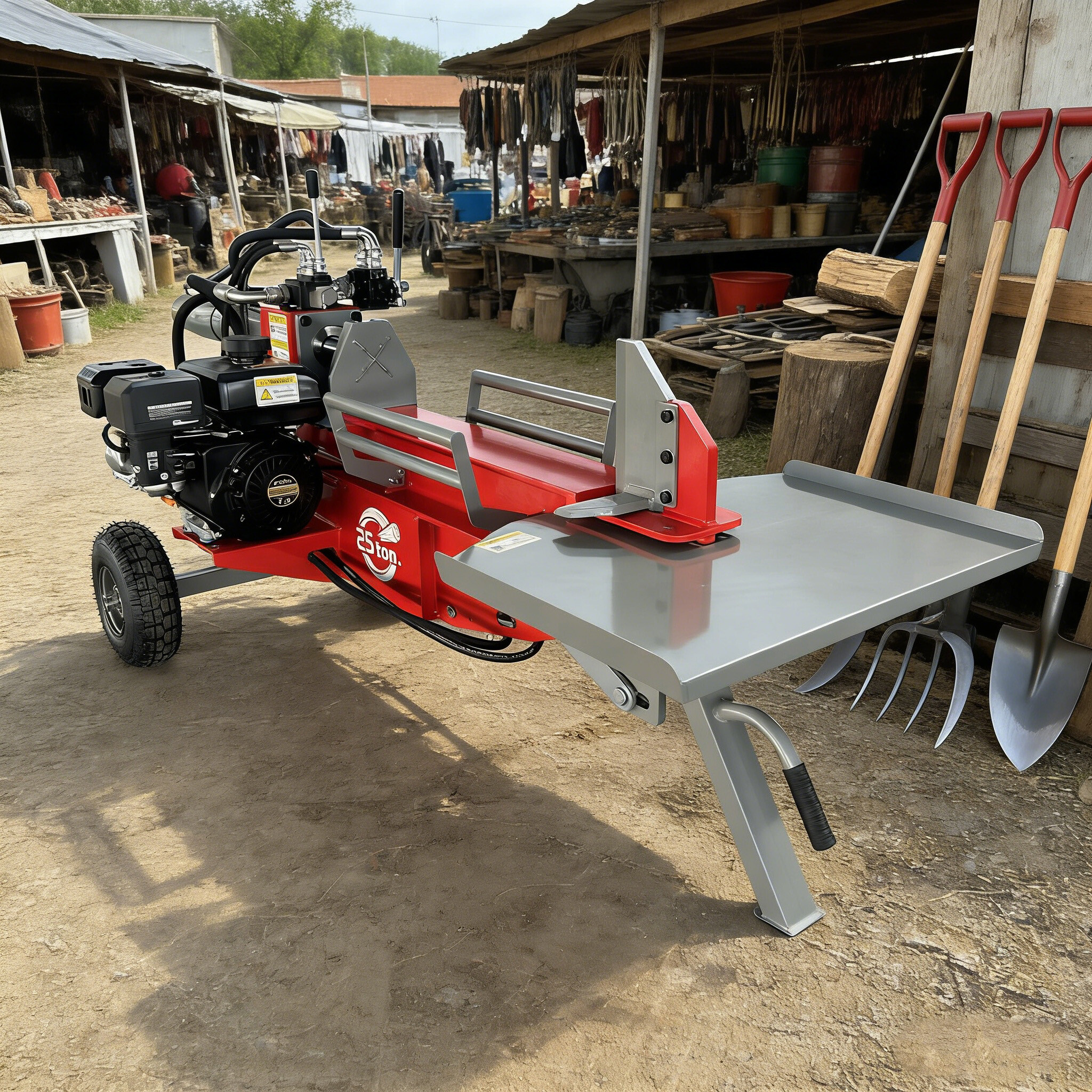
Efficient wood splitting is essential for improving productivity, reducing labor intensity, and ensuring consistent output quality. By using a log splitter correctly and optimizing operating methods, users can significantly enhance splitting efficiency while minimizing equipment wear.
This guide explains the key factors that contribute to high-efficiency wood splitting with a log splitter.
1. Select the Right Log Splitter Capacity
Efficiency Impact:
Choosing a log splitter with appropriate tonnage is the foundation of efficient operation.
Match splitting force to wood diameter and hardness
Use hydraulic log splitters for hardwood and large logs
Avoid operating beyond the machine’s rated capacity
Proper capacity selection reduces repeated splitting attempts and cycle delays.
2. Prepare Logs Before Splitting
Best Practices:
Cut logs to the recommended length
Remove excessive dirt, stones, or debris
Sort logs by size and wood type
Prepared wood improves handling speed and reduces interruptions during operation.
3. Position Logs Correctly
Efficiency Tips:
Place logs flat and stable on the splitting platform
Align the blade with the natural grain or visible cracks
Center the log to ensure even force distribution
Correct positioning minimizes resistance and increases splitting success rates.
4. Apply Controlled and Steady Splitting Force
Operational Guidance:
Use smooth, continuous pressure instead of forcing the splitter
Adjust hydraulic speed when handling dense or knotty wood
Stop and reposition logs if resistance is excessive
Controlled operation protects hydraulic components and improves overall efficiency.
5. Use Step-by-Step Splitting for Large Logs
Recommended Method:
Split large or hardwood logs into halves first
Continue splitting smaller sections until the desired size is achieved
Staged splitting reduces machine load and improves productivity consistency.
6. Maintain Equipment for Optimal Performance
Maintenance Actions:
Check hydraulic oil level and condition regularly
Inspect hoses, seals, and fittings for leaks
Ensure the splitting blade is straight and undamaged
Well-maintained equipment operates faster, smoother, and more reliably.
7. Optimize Workflow and Operator Safety
Productivity Tips:
Keep logs organized and within easy reach
Reduce unnecessary lifting and repositioning
Follow safety procedures to avoid downtime caused by accidents
An efficient workflow directly contributes to higher output per hour.
Conclusion
Efficient wood splitting with a log splitter depends on correct equipment selection, proper wood preparation, accurate positioning, controlled operation, and regular maintenance. By optimizing these factors, users can increase productivity, reduce operating costs, and extend equipment service life.
For professional users and distributors, standardized splitting methods ensure consistent performance and long-term operational efficiency.
This stunning beach house property is a true oasis, nestled in a serene coastal community with direct access to the beach.
Contact
West Street, Melbourne Victoria 3000 Australia