


Navigation
Contact us
Phone
Message
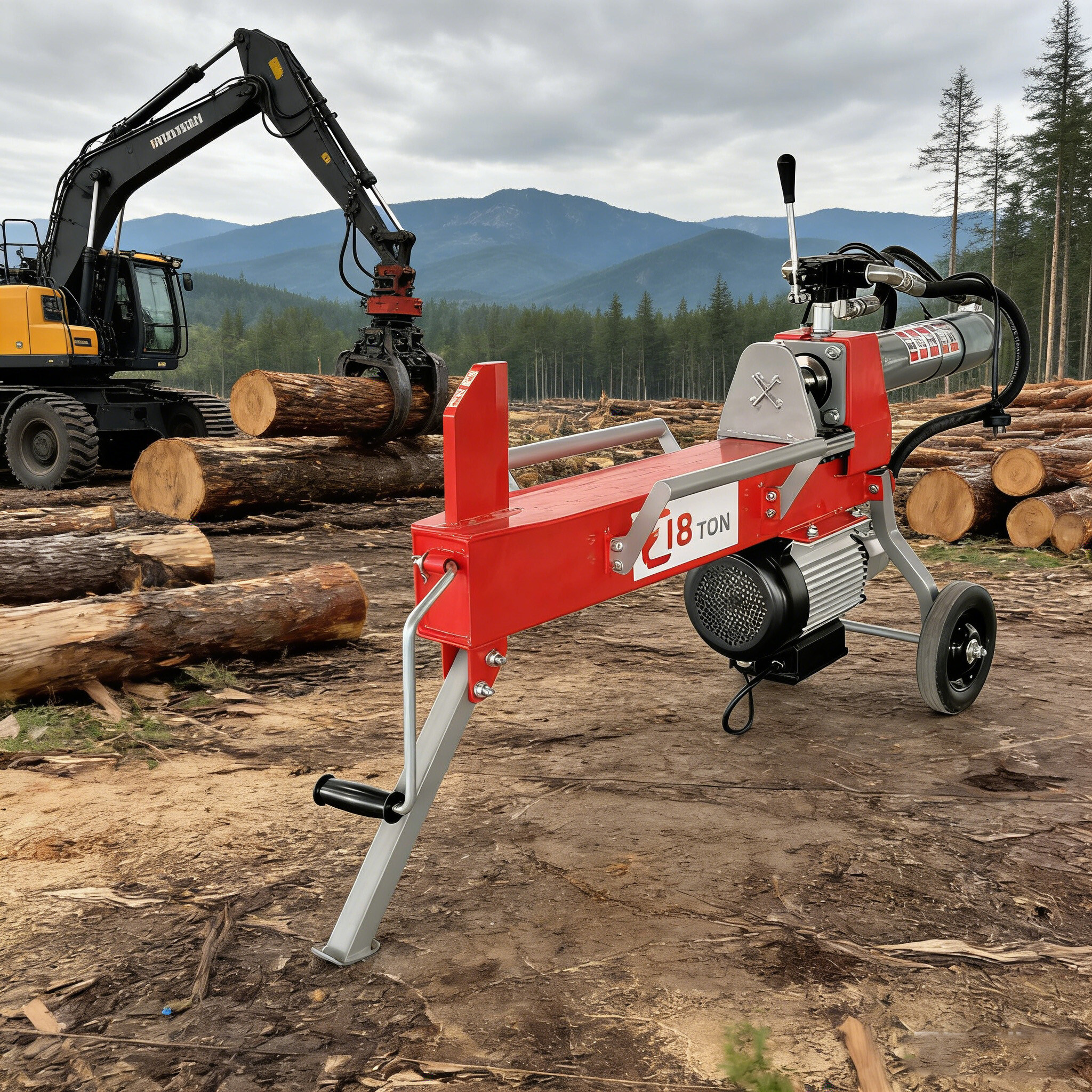
Efficient wood splitting is essential for improving productivity, reducing labor costs, and ensuring safe operation. By using a log splitter correctly and selecting suitable operating methods, both residential and commercial users can achieve consistent and high-efficiency wood processing results.
This guide outlines practical steps to maximize wood splitting efficiency with a log splitter.
1. Choose the Right Log Splitter Configuration
Efficiency begins with selecting a log splitter that matches the application:
Splitting Force (Tonnage):
Light-duty tasks typically require 10–15 tons, while hardwood and large-diameter logs may require 25–30 tons or higher.Operating Position:
Horizontal models are suitable for small to medium logs, while vertical or dual-position splitters handle large and heavy logs more efficiently.Power Source:
Electric log splitters are ideal for indoor or low-noise environments, while gasoline-powered models offer higher mobility and output for outdoor use.
2. Prepare Wood Properly Before Splitting
Proper preparation significantly affects splitting speed and success rate:
Cut logs to the recommended length
Remove dirt, stones, or metal debris from the log surface
Align the wood grain or natural cracks with the splitting blade
Well-prepared logs reduce resistance and improve splitting consistency.
3. Apply Correct Operating Techniques
Using proper techniques helps maintain steady splitting performance:
Position logs firmly against the splitting beam or base plate
Keep the log centered with the blade for balanced force distribution
Apply steady hydraulic pressure instead of forcing rapid cycles
Use vertical mode for heavy logs to reduce manual lifting
Correct operation minimizes machine stress and cycle time.
4. Maintain Stable Machine Condition
A well-maintained log splitter operates more efficiently:
Inspect the splitting blade for wear or damage
Maintain proper hydraulic oil level and cleanliness
Check hoses, fasteners, and fittings regularly
Ensure safety components function correctly
Routine maintenance supports consistent hydraulic pressure and output.
5. Organize Workflow for Higher Productivity
For frequent or commercial use, workflow optimization is essential:
Sort logs by size and wood type before splitting
Arrange clear infeed and outfeed areas
Reduce unnecessary machine stops during operation
Use log tables or supports to improve handling efficiency
Efficient workflow reduces downtime and increases output.
6. Safety Practices That Support Efficiency
Safe operation helps avoid interruptions and equipment damage:
Wear appropriate protective equipment
Keep hands clear of the splitting area
Never exceed the rated capacity of the log splitter
Stop operation immediately if abnormal noise or vibration occurs
Safe practices ensure continuous and reliable operation.
Conclusion
Achieving efficient wood splitting with a log splitter requires proper machine selection, correct operating techniques, consistent maintenance, and organized workflow. By following these best practices, users can improve productivity, reduce operating costs, and extend equipment service life.
For professional users and distributors, adopting efficient operating methods ensures long-term performance and reliable wood processing results.
This stunning beach house property is a true oasis, nestled in a serene coastal community with direct access to the beach.
Contact
West Street, Melbourne Victoria 3000 Australia