


Navigation
Contact us
Phone
Message
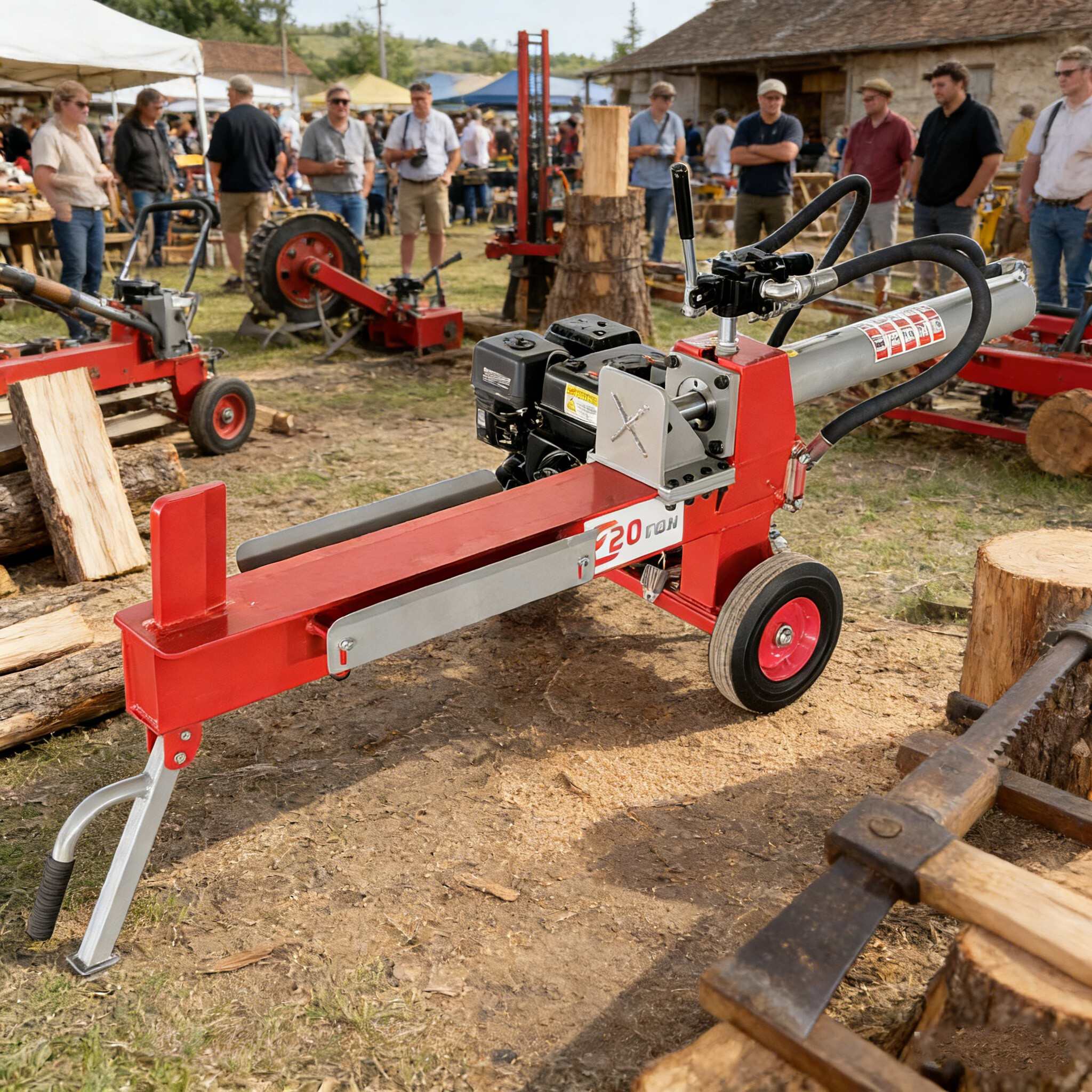
Common Mistakes in Log Splitter Operation
Log splitters are designed to improve wood processing efficiency and reduce manual labor. However, improper operation can significantly reduce performance, increase equipment wear, and create safety risks. Understanding common operating mistakes helps users achieve safer and more efficient wood splitting.
This guide highlights frequent log splitter operation errors and explains how to avoid them.
1. Exceeding the Rated Splitting Capacity
Mistake:
Attempting to split logs that exceed the rated diameter or hardness of the machine.
Impact:
Reduced splitting efficiency
Increased hydraulic system stress
Higher risk of component failure
Best Practice:
Always operate within the specified tonnage and log size limits. For large or hardwood logs, use higher-capacity or vertical log splitters.
2. Incorrect Log Positioning
Mistake:
Placing logs off-center or against the blade at an angle.
Impact:
Incomplete splitting
Blade jamming
Uneven force distribution
Best Practice:
Center the log properly and align natural grain lines or cracks with the splitting blade.
3. Forcing the Machine During Operation
Mistake:
Applying continuous pressure when the log does not split easily.
Impact:
Overheating of hydraulic components
Premature wear of seals and pumps
Increased energy consumption
Best Practice:
Release pressure, reposition the log, or reduce log size instead of forcing the splitter.
4. Neglecting Routine Maintenance
Mistake:
Operating the log splitter without regular inspection or maintenance.
Impact:
Reduced splitting force
Slower cycle time
Increased downtime
Best Practice:
Regularly check hydraulic oil, blade condition, hoses, and fasteners to maintain optimal performance.
5. Using Unsuitable Wood Conditions
Mistake:
Splitting frozen, excessively dry, or heavily twisted wood without proper adjustment.
Impact:
Lower efficiency
Increased blade stress
Higher chance of blade sticking
Best Practice:
Whenever possible, split green or properly conditioned wood and adjust operating speed for difficult materials.
6. Ignoring Safety Procedures
Mistake:
Bypassing safety features or placing hands near the splitting area.
Impact:
Serious safety hazards
Increased risk of accidents
Best Practice:
Always follow safety instructions, wear protective equipment, and keep hands clear of moving parts.
7. Continuous Operation Without Cooling Breaks
Mistake:
Running the machine continuously for long periods without rest.
Impact:
Hydraulic oil overheating
Reduced system efficiency
Shortened equipment lifespan
Best Practice:
Allow short cooling intervals during extended operation, especially for heavy-duty applications.
Conclusion
Avoiding common operating mistakes is essential for safe and efficient log splitter use. Correct operation, proper wood selection, and routine maintenance not only improve productivity but also extend machine service life and reduce operating risks.
For professional users and distributors, standardized operation practices help ensure reliable performance and long-term efficiency.
This stunning beach house property is a true oasis, nestled in a serene coastal community with direct access to the beach.
Contact
West Street, Melbourne Victoria 3000 Australia