


Navigation
Contact us
Phone
Message
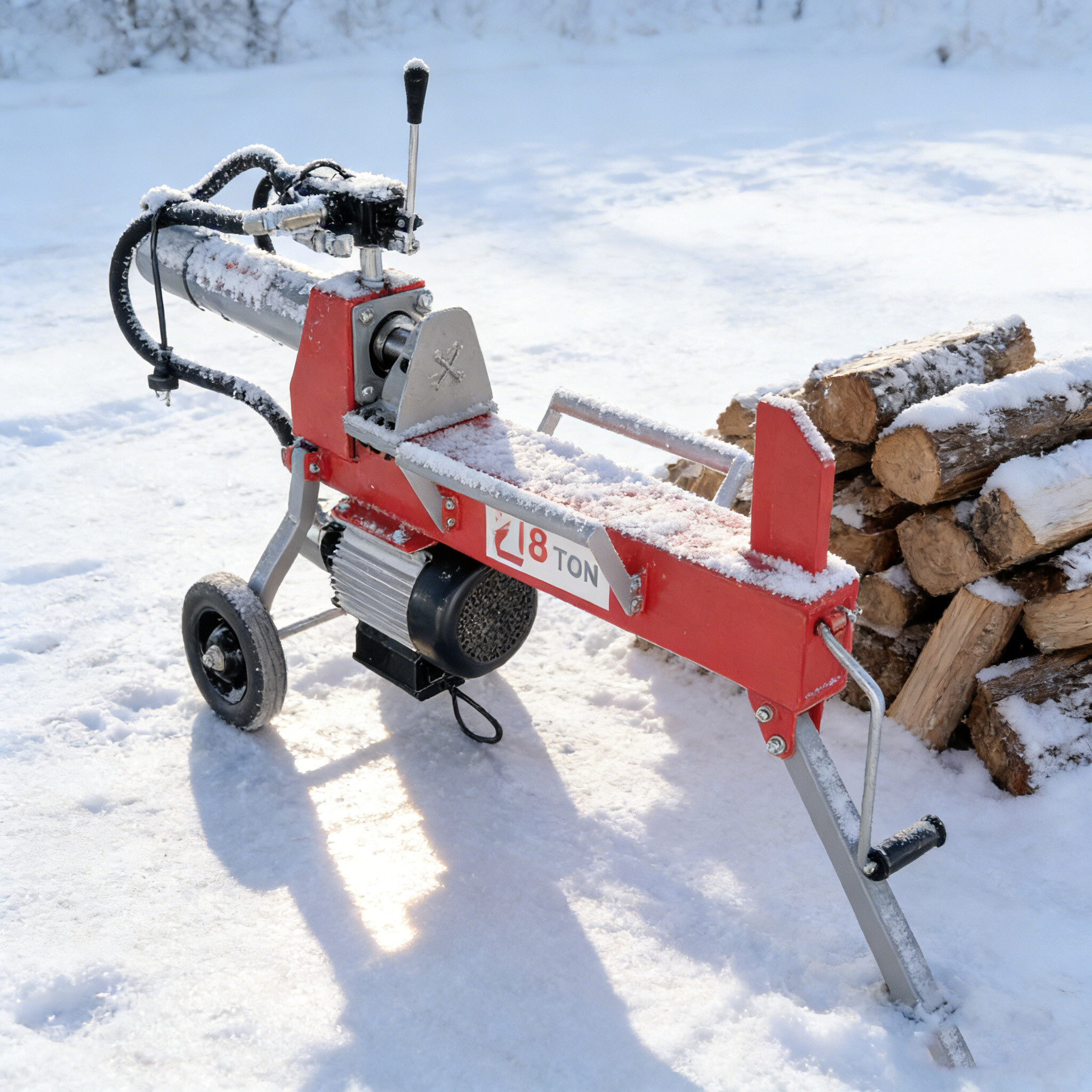
The splitting blade is a critical component of a log splitter, directly affecting splitting efficiency, operating safety, and overall machine lifespan. Proper blade maintenance and timely replacement help ensure stable performance, reduce downtime, and prevent unnecessary wear on hydraulic and structural components.
This guide outlines best practices for log splitter blade maintenance and replacement for professional users and commercial applications.
1. Importance of Blade Maintenance
During continuous operation, log splitter blades are exposed to high pressure, hardwood impact, and environmental factors such as moisture and debris. Poor blade condition may lead to:
Reduced splitting efficiency
Increased load on the hydraulic system
Higher energy consumption
Increased safety risks
Regular maintenance ensures consistent splitting force and reliable machine operation.
2. Routine Blade Maintenance Practices
To keep the blade in good working condition, the following maintenance steps are recommended:
Cleaning After Use
Remove wood chips, sap, and dirt from the blade surface after each operation to prevent buildup and corrosion.Visual Inspection
Check for cracks, deformation, or excessive wear. Early inspection helps avoid sudden blade failure.Edge Condition Check
Log splitter blades do not require sharp cutting edges like saw blades, but the wedge edge should remain straight and undamaged.Rust Prevention
Apply anti-rust oil or protective coating when the machine is stored for long periods, especially in humid environments.
3. Signs That Blade Replacement Is Required
Blade replacement is recommended when one or more of the following conditions occur:
The blade edge is severely worn or rounded
Visible cracks or structural damage are present
Splitting performance decreases significantly under normal pressure
Blade alignment is no longer accurate
Operating with a damaged blade may affect safety and accelerate wear on other components.
4. Blade Replacement Procedure
Before replacing the blade, always ensure the log splitter is powered off and hydraulic pressure is fully released.
General replacement steps include:
Secure the machine on a stable and level surface
Remove bolts or fasteners fixing the blade
Carefully detach the old blade
Install the new blade according to manufacturer specifications
Tighten all fasteners securely
Perform a test run without load to confirm proper alignment
For high-tonnage or industrial log splitters, professional installation is recommended.
5. Selecting the Right Replacement Blade
When choosing a replacement blade, consider the following factors:
Compatibility with log splitter model and tonnage (e.g. 15T, 30T)
Blade material quality and heat treatment
OEM or OEM-compatible design
Supplier reliability and spare parts availability
Using high-quality blades helps maintain stable performance and reduce long-term maintenance costs.
Conclusion
Proper blade maintenance and timely replacement are essential for safe and efficient log splitter operation. By following routine inspection and correct replacement procedures, users can extend blade service life, protect the hydraulic system, and maintain consistent splitting performance.
For distributors and professional users, investing in quality replacement blades and standardized maintenance practices ensures long-term reliability and productivity.
This stunning beach house property is a true oasis, nestled in a serene coastal community with direct access to the beach.
Contact
West Street, Melbourne Victoria 3000 Australia