


Navigation
Contact us
Phone
Message
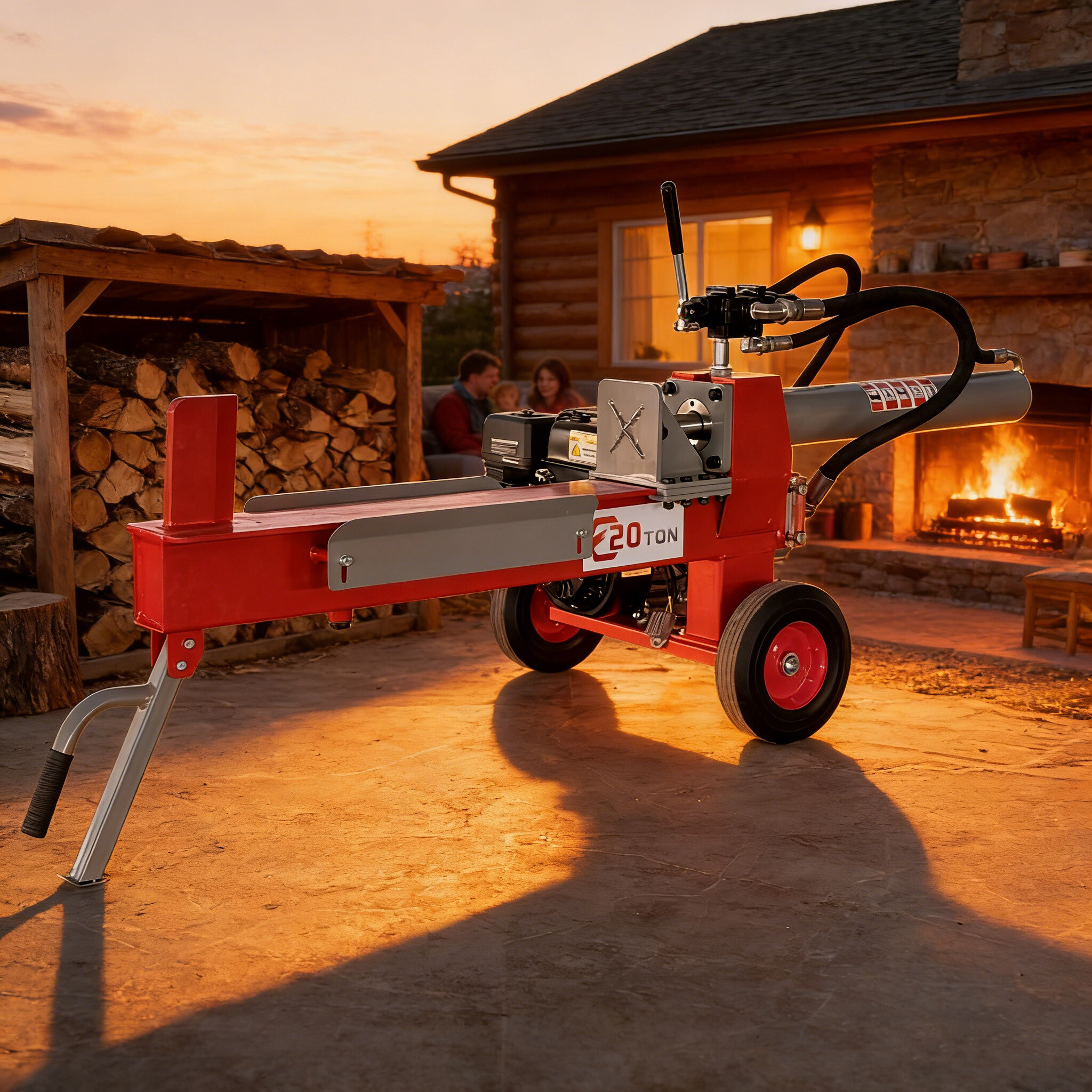
Using a log splitter correctly is essential for improving wood processing efficiency, reducing labor intensity, and ensuring safe operation. Proper preparation, correct operating methods, and suitable machine selection all contribute to efficient wood splitting.
This guide explains practical ways to achieve high-efficiency wood splitting with a log splitter.
1. Choose the Right Log Splitter for the Job
Efficiency starts with selecting a suitable machine.
Key Considerations:
Match splitter tonnage to wood size and hardness
Use hydraulic log splitters for hardwood and large-diameter logs
Choose horizontal splitters for small to medium logs
Use vertical or dual-position splitters for heavy or oversized logs
Proper equipment selection reduces cycle time and unnecessary machine strain.
2. Prepare the Wood Properly
Best Practices:
Cut logs to the recommended length before splitting
Remove excessive dirt, stones, or debris from the log surface
Avoid splitting extremely twisted or irregular logs without repositioning
Well-prepared wood improves stability and splitting accuracy.
3. Position the Log Correctly
Key Tips:
Place the log flat and stable on the splitting platform
Align the splitting blade with the natural grain or existing cracks
Center the log to ensure even force distribution
Correct positioning reduces blade resistance and improves splitting speed.
4. Use the Appropriate Splitting Speed and Pressure
Efficiency Tips:
Apply steady, controlled pressure instead of forcing the splitter
Adjust hydraulic speed settings when handling different wood types
Release pressure and reposition the log if splitting resistance is high
Controlled operation protects hydraulic components and ensures consistent results.
5. Split Logs in Stages When Necessary
Recommended Approach:
For large or hardwood logs, split them into halves first
Continue splitting smaller sections until the desired size is achieved
Step-by-step splitting reduces machine load and increases overall efficiency.
6. Maintain the Log Splitter Regularly
Maintenance Actions:
Check hydraulic oil level and condition regularly
Inspect hoses, fittings, and seals for leaks
Ensure the splitting blade is straight and undamaged
Well-maintained equipment operates faster, smoother, and more reliably.
7. Optimize Work Flow and Operator Safety
Productivity Tips:
Organize logs close to the working area
Minimize unnecessary lifting and repositioning
Follow safety procedures to avoid interruptions and accidents
A smooth workflow significantly improves daily productivity.
Conclusion
Efficient wood splitting with a log splitter depends on correct machine selection, proper wood preparation, accurate positioning, and controlled operation. By following these best practices, users can increase productivity, reduce equipment wear, and ensure safe, long-term operation.
For professional users and distributors, standardized splitting procedures help achieve consistent performance and lower operating costs.
This stunning beach house property is a true oasis, nestled in a serene coastal community with direct access to the beach.
Contact
West Street, Melbourne Victoria 3000 Australia