


Navigation
Contact us
Phone
Message
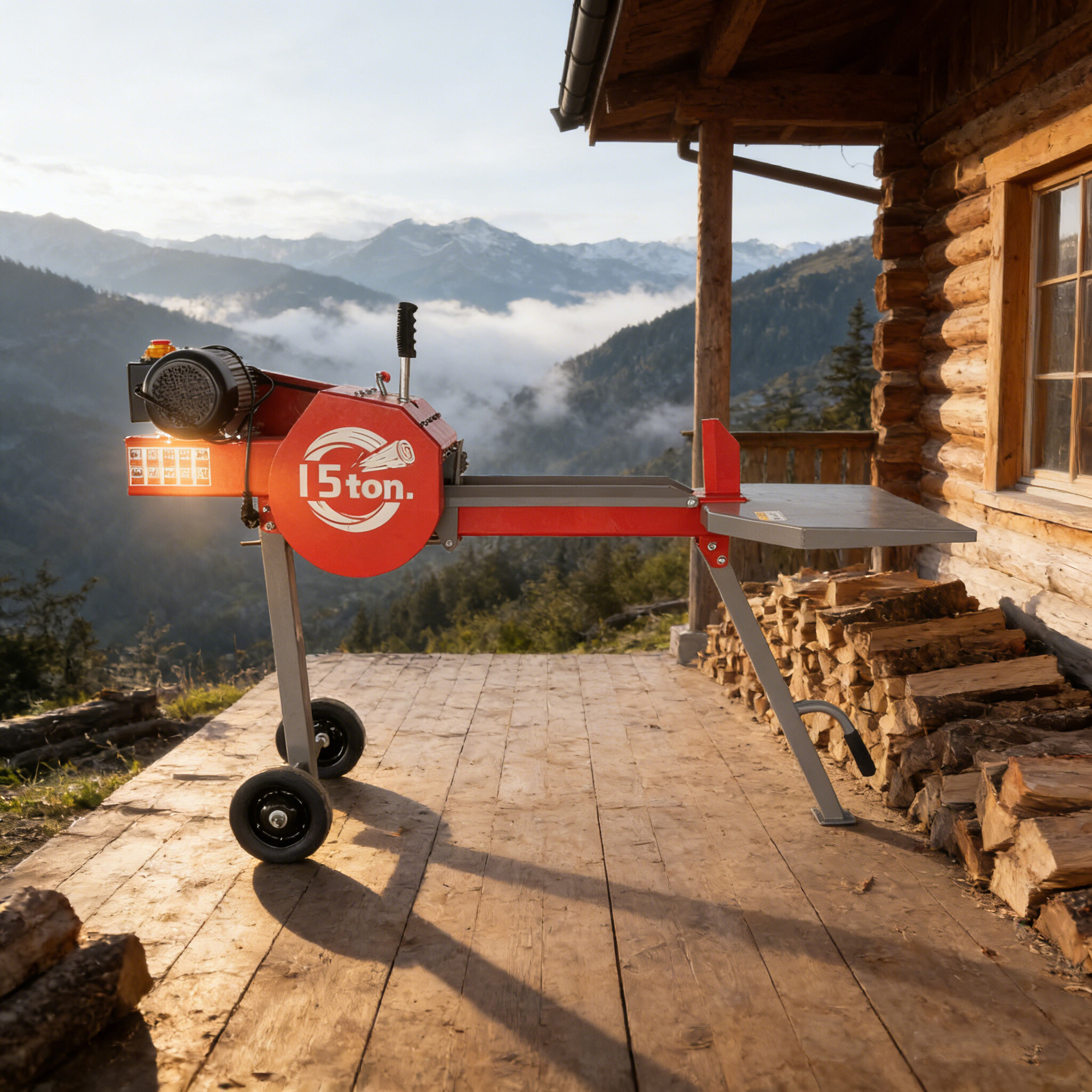
Selecting the right type and size of wood is essential for safe operation and efficient performance when using a log splitter. Proper wood selection not only improves splitting efficiency but also reduces machine wear and operating risks. This guide provides practical recommendations for professional users and commercial applications.
1. Consider Wood Diameter and Length
Wood dimensions should match the rated capacity of the log splitter:
Ensure the log diameter does not exceed the maximum splitting capacity
Cut logs to the recommended length specified by the manufacturer
For large or heavy logs, vertical log splitters are recommended to reduce manual handling
Correct sizing helps maintain stable splitting force and consistent results.
2. Understand Wood Species and Hardness
Different wood types require different splitting force:
Softwood (e.g. pine, fir): Easier to split and suitable for low- to mid-tonnage log splitters
Hardwood (e.g. oak, maple): Requires higher tonnage and stable hydraulic pressure
Dense or knotty wood: May require multiple splitting passes or higher-capacity machines
Matching wood hardness with machine capability improves efficiency and prevents overload.
3. Check Wood Moisture Content
Moisture level affects splitting performance:
Green (fresh) wood generally splits more easily
Very dry or seasoned wood may be harder to split due to increased density
Frozen wood requires higher splitting force and slower operation
Avoid excessively wet or frozen logs when possible to reduce strain on the machine.
4. Inspect Wood Condition Before Splitting
Before operation, inspect each log for potential issues:
Remove dirt, stones, nails, or metal debris
Avoid logs with severe twists, heavy knots, or irregular shapes
Align natural cracks or grain lines with the splitting blade
Proper inspection helps protect the blade and hydraulic components.
5. Match Wood Size to Splitting Method
Use horizontal mode for small and medium logs
Use vertical mode for large-diameter or heavy logs
Split oversized logs into smaller sections if necessary
Selecting the appropriate splitting method improves safety and working efficiency.
6. Safety and Efficiency Considerations
Never exceed the rated capacity of the log splitter
Use stable support surfaces for logs
Operate at a controlled, steady pace
Safe wood selection supports smooth operation and reduces downtime.
Conclusion
Choosing suitable wood for a log splitter is a key factor in achieving efficient, safe, and reliable wood splitting. By considering wood size, species, moisture content, and condition, users can optimize performance and extend the service life of the equipment.
For distributors and professional users, proper wood selection also contributes to lower maintenance costs and improved operational efficiency.
This stunning beach house property is a true oasis, nestled in a serene coastal community with direct access to the beach.
Contact
West Street, Melbourne Victoria 3000 Australia