


Navigation
Contact us
Phone
Message
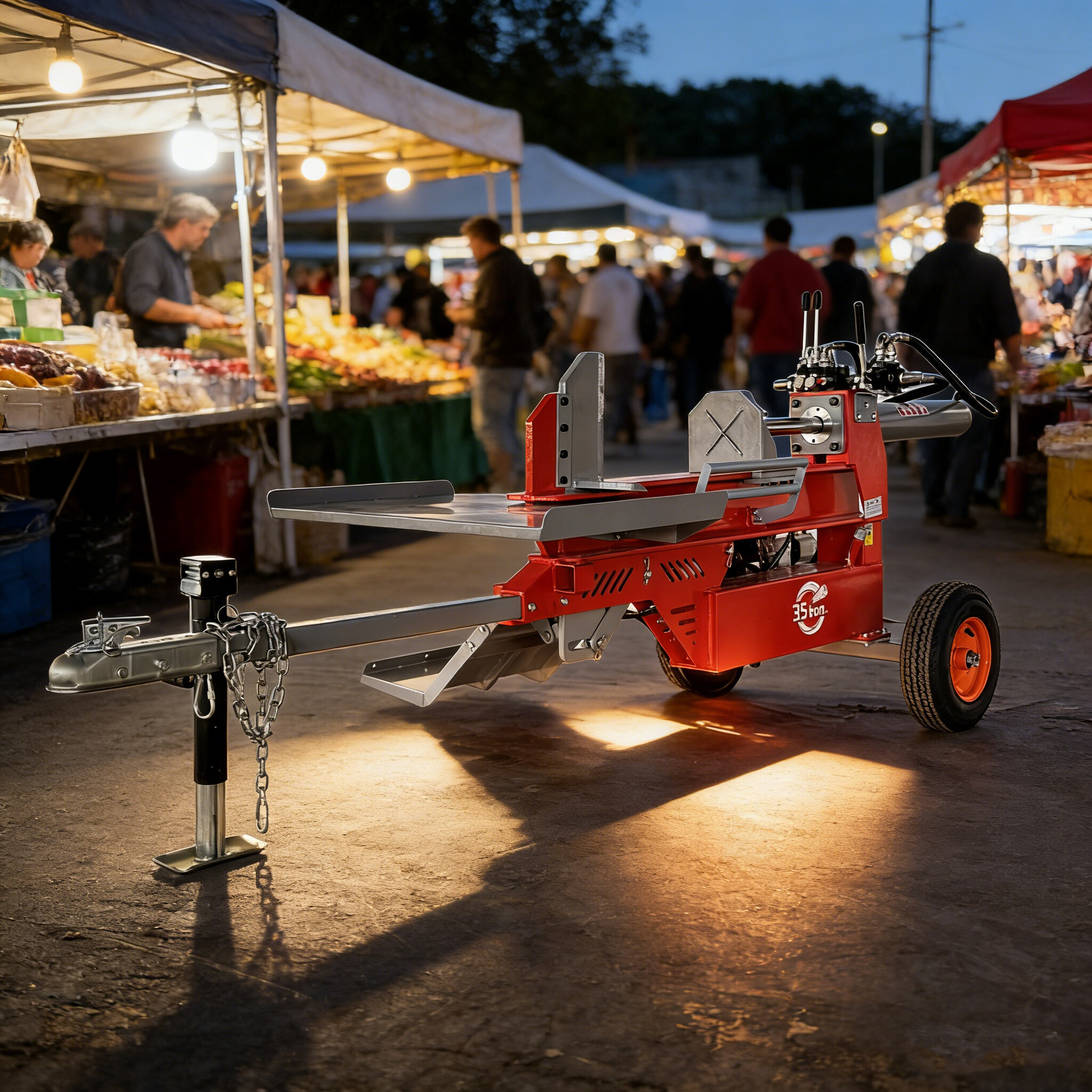
The wood processing industry is experiencing a shift toward automation, with log splitters playing a vital role in improving throughput, safety, and process integration. As demand for higher productivity and consistent quality increases, manufacturers and end users alike are embracing technologies that reduce manual labor, improve precision, and enable smart operations.
This article explores how log splitters fit into the broader automation trend and what future developments are shaping the industry.
1. Drivers of Automation in Wood Processing
Key Trends:
Rising labor costs: Automated systems help address workforce shortages and reduce dependency on manual labor.
Safety and compliance: Automation reduces human exposure to heavy physical tasks, minimizing accidents and liability concerns.
Demand for consistent quality: Automated processes deliver repeatable results with reduced variability.
Integration with digital workflows: Modern operations increasingly leverage data and networked equipment.
These drivers push wood processing facilities to adopt smarter, more integrated machinery, including automated log splitting solutions.
2. Automated Log Splitters in Production Lines
In automated wood processing environments, log splitters transition from standalone units to integrated components.
Capabilities include:
Conveyor-fed systems: Logs are automatically fed into the splitter, reducing manual handling.
Sensor-based alignment: Optical or laser sensors detect log size and orientation for precise splitting.
Programmable cycle control: Adjustable splitting sequences based on wood species and diameter.
Automatic sorting and staging: Split wood is diverted to appropriate bins or conveyors for further processing.
These features enhance throughput while reducing operator intervention.
3. Integration with Robotics and Material Handling
Automation Integration:
Robotic arms: Can load and position logs for splitting, eliminating manual lifting.
Automated conveyors: Transport logs between cutting, splitting, and stacking stations.
Smart stacking systems: Coordinate with mill or kiln processes, streamlining the workflow.
This level of integration supports continuous, high-volume operations with minimal labor.
4. Data-Driven Optimization
Digital Enhancements:
IoT sensors: Monitor splitter performance, hydraulic pressure, cycle times, and usage patterns.
Predictive maintenance: Real-time data predicts service needs before breakdowns occur.
Performance dashboards: Provide visibility into production metrics and machine utilization.
Data-driven insights improve uptime and operational efficiency.
5. Safety and Compliance Improvements
Automation enhances safety in wood processing.
Benefits include:
Reduced operator exposure to pinch points and heavy logs
Integrated safety interlocks with stop/restart logic
Real-time monitoring of critical parameters (e.g., hydraulic load, temperature)
Emergency stop systems with automatic shutdown procedures
Safer operations reduce downtime and insurance costs.
6. Future Trends and Emerging Technologies
What’s Next:
AI-assisted control: Machine learning models optimize splitting parameters based on wood characteristics.
Cloud connectivity: Remote monitoring and updates broaden system capabilities.
Augmented reality (AR) support: Real-time maintenance and troubleshooting guidance.
Energy recovery systems: Improve hydraulic efficiency and sustainability.
These technologies will further transform how log splitters operate within automated wood processing facilities.
Conclusion
The automation trend in wood processing is reshaping the role of log splitters from standalone tools to integrated, data-driven components within smart production systems. By adopting automation technologies—such as sensors, robotics, and predictive analytics—wood processing operations can achieve higher productivity, improved quality control, enhanced safety, and lower operating costs.
For manufacturers, distributors, and professional users, understanding automation trends is key to making informed equipment and investment decisions in a competitive market.
This stunning beach house property is a true oasis, nestled in a serene coastal community with direct access to the beach.
Contact
West Street, Melbourne Victoria 3000 Australia