


Navigation
Contact us
Phone
Message
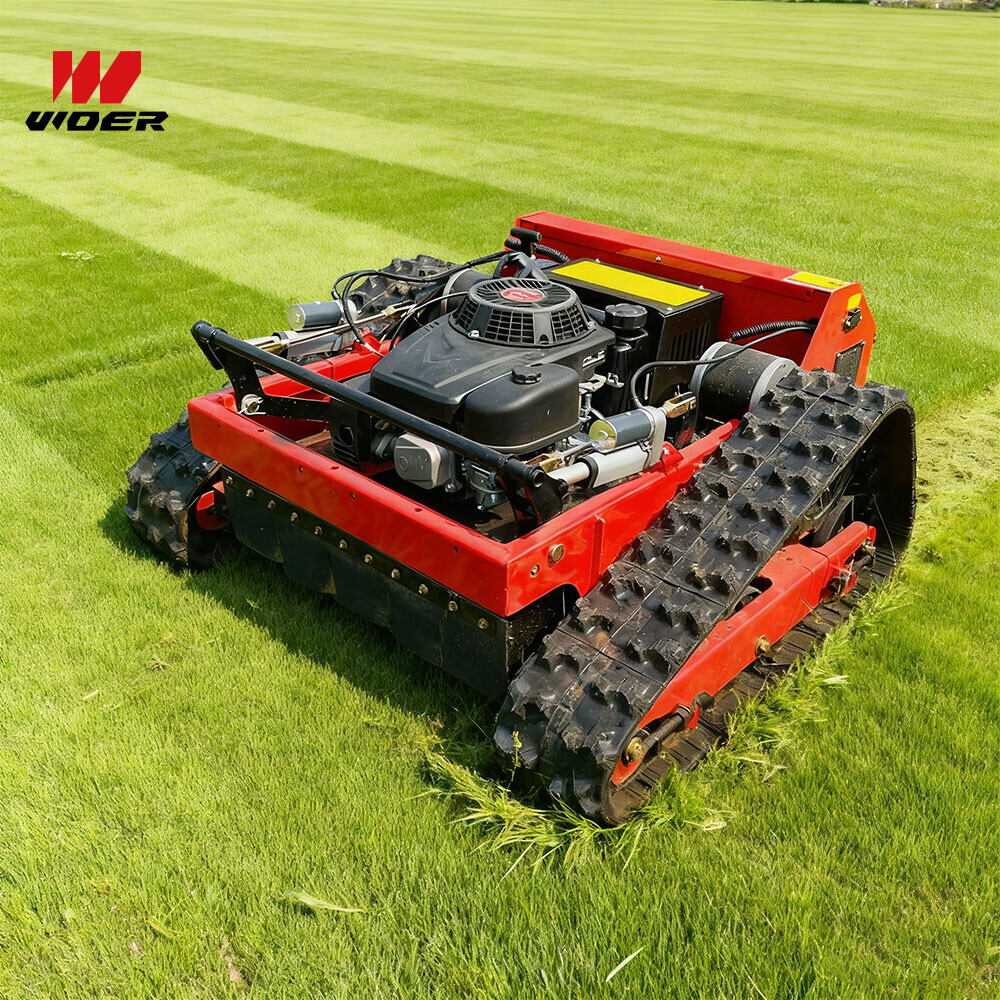
Facility managers evaluating lawn equipment need clear ROI and safety answers before replacing manual push mowers. This article compares remote control lawn mower vs manual operation by asking seven critical ROI and safety questions tailored for information researchers, operators, technical evaluators and decision-makers. We examine common lawn mowers types — remote control lawn mower, remote lawn mower, robot lawn mower (lawn mower robot), automatic lawn mower, cordless lawn mower, gasoline lawn mower, crawler lawn mower — and practical considerations for using a lawn mower for grass cutting in industrial or wood-processing sites. Read on to balance cost, risk and productivity.
Context and pain points for wood-processing facilities
In sawmills, timber yards and wood-processing plants, exterior grounds management is more than curb appeal. Uncontrolled grass and vegetation around log decks, kiln areas, chip piles and access roads create operational hazards: increased fire load, pest harborage, visibility reduction for machinery operators, and trip hazards for personnel. Facility managers, technical evaluators and procurement teams must evaluate equipment that not only mows effectively but also minimizes downtime, maintenance interference with production, and safety incidents. Choosing between traditional manual push or ride-on gasoline lawn mowers and modern solutions such as remote control lawn mower systems, automatic robot mower fleets, cordless lawn mower units or specialized crawler lawn mower platforms requires a structured ROI and safety analysis tailored to wood-processing site realities.
Key stakeholders span information researchers collecting specifications, frontline operators handling equipment near heavy machinery, safety managers enforcing site protocols, and commercial teams evaluating lifecycle costs. Each group asks different questions: Can a remote lawn mower reduce near-miss incidents around log handling zones? Will a lawn mower robot operate reliably on sawdust-laden surfaces? What are the real maintenance costs of a gasoline lawn mower vs a cordless lawn mower fleet? This article frames seven ROI and safety questions that cover operational, technical and procurement dimensions, integrating relevant examples and decision criteria for wood-processing equipment owners.
Section 1 — How does equipment choice impact operational ROI in timber yards?
Operational ROI in a wood-processing environment must account for more than purchase price. Facility managers should compare total cost of ownership (TCO) across equipment types: capital expense, fuel or energy, scheduled maintenance, unscheduled repairs, labor, productivity, and indirect costs such as lost production due to safety incidents or site shutdowns. For example, a gasoline lawn mower often has a lower upfront cost than an industrial remote control lawn mower or a commercial automatic mower fleet, but fuel, frequent engine maintenance, and higher noise emissions can increase operating expense and affect nearby processing operations.
Remote control lawn mower and remote lawn mower platforms can reduce labor exposure and allow a single operator to cover steeper banks, perimeter fences, and hazardous zones without physically being on the machine. In practical terms, remote operation can convert a two-person mowing crew into one supervisor managing multiple units, which is a direct labor cost reduction. When assessing ROI, quantify hours saved per week, reduction in overtime, and incremental area covered per shift. Typical metrics to model include:
- Labor hours per 1,000 m2 before and after implementation
- Fuel or electricity cost per hour (gasoline lawn mower vs cordless lawn mower vs automatic robot)
- Maintenance cost per operating hour (blade, belt, engine service, battery replacement)
- Downtime cost when equipment is under repair
For wood-processing plants where machine downtime is costly, the ability to schedule perimeter mowing outside production windows can be valuable. An automatic lawn mower or lawn mower robot with programmable routines can continuously manage low-growth areas without taking crews off higher-priority tasks. Conversely, areas with heavy debris or ongoing log movements may still require manual intervention or a robust crawler lawn mower that tolerates uneven, debris-strewn terrain. Calculating ROI must therefore be zoned: separate high-risk, high-debris zones from controlled buffer zones, and assign equipment types accordingly. A hybrid fleet—crawler and remote control units for the log yard, automatic robot mowers for office lawns—often delivers the best ROI when modeled over a three- to five-year horizon.
Section 2 — What measurable safety improvements are realistic with remote or robotic systems?
Safety is a primary justification for upgrading mowing equipment in wood-processing settings. Manual operation places staff in proximity to log handling equipment, forklifts, conveyors and uneven ground. Remote control lawn mower systems allow operators to maintain line-of-sight at a safe distance, removing personnel from hazardous zones where struck-by or trip hazards are prevalent. The key is to frame safety improvements into measurable outcomes: reduction in recordable incidents, fewer near-miss reports, and decreased frequency of medical treatment events related to exterior grounds work.
Consider typical scenarios: edging around log decks often involves navigating tight clearances and unseen debris. A gasoline lawn mower operated manually can bury a wheel in woodchips and create rollaway risk; a remote lawn mower with rollover protection systems, tetherless controls and automatic shutdown on obstruction can mitigate those events. For steep embankments near bark piles, crawler lawn mower designs offer lower center-of-gravity and track-based stabilization that reduce tip-over potential compared to wheeled ride-on mowers. Automatic lawn mower units and lawn mower robot types can limit human presence near conveyor loading zones, as they operate autonomously during low-traffic hours.
To validate safety claims during procurement, request the following from vendors and include them in your evaluation matrix:
- Incident and failure mode data from similar wood-processing deployments.
- Technical specs for remote shutdown, geofencing, obstacle detection and emergency stop functionality.
- Evidence of operator training programs and documented standard operating procedures (SOPs) tailored to sawmill environments.
- Compatibility with site PPE and communication protocols for maintenance crews working around heavy equipment.
A realistic safety ROI calculation can incorporate reduced workers' compensation exposure, fewer lost workdays, and avoided compliance fines. For example, eliminating a single lost-time injury can offset the incremental cost of remote or robotic units over one to two seasons in mid-to-large facilities. Keep in mind that selection must align with site-specific hazards—robotic mowers excel in reproducible, low-debris zones; remote control and crawler mowers are better for ad hoc, debris-prone work areas.
Section 3 — How do maintenance, uptime and lifecycle costs compare across mower types?
Maintenance planning is central to keeping wood-processing yards operational. Gasoline lawn mower models generally require frequent engine servicing, oil changes, carburetor adjustments, and fuel system checks—tasks that can be complicated by dusty, sawdust-heavy environments. Cordless lawn mower and robot mower platforms shift some maintenance burden to battery management: cyclical battery replacements, charger maintenance and software updates. Remote control lawn mowers and crawler units introduce additional mechanical complexity—drive systems, track tensioning, remote control electronics—that requires trained technicians and potentially higher spare-parts inventories.
When evaluating lifecycle costs, include the following elements in a comparative calculation:
- Preventive maintenance interval and estimated labor hours per service
- Mean time between failures (MTBF) for critical components
- Consumables cost (blades, belts, filters, batteries, fuel)
- Software and firmware maintenance for automatic or robot units
- Vendor support contracts, on-site service response times and spare-part lead times
In wood-processing sites, exposure to abrasive particles (sawdust, bark fines) can accelerate wear on mechanical seals and bearings. Gasoline lawn mower engines may require more frequent air filter replacement than cordless or electric units; however, gasoline units may be simpler to repair in remote locations due to established supply chains. By contrast, a lawn mower robot or automatic lawn mower typically demands less daily hands-on maintenance, but battery lifecycle and electronic component replacement can represent larger periodic expenditures. Facility managers should model cost per operating hour for each mower type and factor in hidden costs such as transporting units to off-site repair facilities, or the opportunity cost of using maintenance staff during high production periods.
Practical recommendation: perform a pilot comparing the actual maintenance hours and parts consumption of a gasoline lawn mower, a cordless lawn mower and a remote control mower across a three-month period that includes peak sawmill activity. Use the pilot to capture MTBF, average repair time, and the frequency of repairs caused by debris ingestion or collision with site obstacles. This data will form a defensible basis for forecasting lifecycle costs and negotiating service level agreements with vendors.
Section 4 — Which site conditions favor a crawler, remote, or autonomous solution?
Wood-processing sites are heterogenous: paved access roads, compacted gravel pads, soft soil near washout areas, steep embankments behind log yards, and debris-laden clearings around chip storage. Matching mower type to micro-site conditions is critical to both ROI and safety. Crawler lawn mower platforms excel on loose or uneven ground because tracks distribute weight and reduce ground pressure, lowering the risk of sinking into woodchip piles or soft, wet areas adjacent to debarking lines. Crawler systems also cope better with slopes where wheeled mowers might lose traction.
Remote control lawn mower solutions are optimal for zones where human presence is hazardous but the terrain is moderately complex—areas adjacent to conveyors, near kilns with elevated temperatures, or near log stacking equipment. Remote units allow operators to guide machines from safe vantage points and to stop operations instantly if a hazard is detected. Many remote lawn mower models include quick-release blades, reinforced guards and protective reinforcement to handle impact from small wood fragments.
Automatic lawn mower and lawn mower robot types are best for controlled, low-debris areas such as administrative lawns, parking lot medians, and perimeter green belts. Their autonomous navigation and boundary-based operation are less suited to active log yards where debris, frequent vehicle movement and irregular ground patterns are present. Cordless lawn mower units provide lower noise and zero-emission operation suitable for indoor or near-sensitive environments (e.g., near kiln vents where flame risks are present), but battery endurance must be evaluated when used over large site areas.
When choosing equipment, consider these practical site questions:
- What percentage of the grounds experience heavy debris and irregular footing?
- Are there steep banks or embankments that require low center-of-gravity, track-based systems?
- Is there a need for autonomous scheduling in low-traffic periods to avoid interfering with daytime operations?
- How accessible are service routes for heavy, tracked machines vs lightweight cordless units?
Answering these questions with measured site data—slope gradients, ground bearing capacity, debris density, and traffic patterns—permits a zone-by-zone equipment assignment and supports mixed-fleet procurement that optimizes both cost and operational resilience.
Section 5 — Procurement checklist: seven ROI and safety questions every facility manager should ask
To translate analysis into action, facility managers need a concise procurement checklist. Below are seven critical questions that combine ROI and safety considerations and are tailored to wood-processing contexts. Use them during vendor evaluations, pilot programs and procurement decisions.
- What is the true TCO over 3–5 years, including fuel/energy, parts, labor and downtime for the unit(s)? Compare gasoline lawn mower, cordless lawn mower, and remote/robotic platforms.
- How does the equipment reduce operator exposure to site-specific hazards (log handling zones, conveyors, steep embankments) and what measurable safety outcomes can the vendor demonstrate?
- Is the equipment ruggedized for sawmill environments—sealed electronics, reinforced guards, and tolerance to abrasive sawdust and bark fines?
- What are the maintenance intervals, typical MTBF, and availability of local service or spare parts for both remote control lawn mower and crawler lawn mower options?
- Can the unit be integrated into site security and operations workflows (geofencing, remote stop, telemetry reporting) and does it support data logging for compliance audits?
- Does the vendor offer pilot trials, operator training, and performance guarantees—especially for lawn mower robot and automatic lawn mower deployments in mixed-traffic facilities?
- What are the failure modes and emergency procedures if the unit becomes disabled near high-risk equipment, and how quickly can it be recovered without exposing staff to danger?
Applying these questions during vendor shortlisting helps separate marketing claims from verifiable performance. Additionally, request site references from similar wood-processing operations and consider including a contractual clause requiring vendor support during an initial trial period to validate ROI and safety outcomes.
Section 6 — Case example and practical deployment considerations
A mid-sized sawmill in the Pacific Northwest piloted a hybrid approach: two crawler lawn mower units for log yard perimeters, one remote control lawn mower for embankments and steep access roads, and two automatic lawn mower units for administrative lawns. Over a 12-month period the facility reported a 35% reduction in dedicated grounds labor hours, a 60% decline in near-miss reports related to mowing tasks, and a net operational cost reduction of 18% after accounting for higher capital expense. Key success factors included well-defined zonal assignments, clear SOPs for remote retrieval of disabled units, and vendor-provided training that emphasized safe recovery procedures around live equipment.
Practical deployment tips from that pilot include:
- Define operational zones and match mower type to each zone before procurement.
- Run trials during peak season to stress-test battery endurance and debris tolerance.
- Document recovery procedures and equip crews with remote tow or lift tools to retrieve disabled units without entering hazardous zones.
- Integrate telemetry from automatic and remote units into maintenance planning to move from reactive to predictive servicing.
This practical mix demonstrated that the right combination of lawn mowers—crawler lawn mower for rough terrain, remote control lawn mower for hazardous proximity tasks, and lawn mower robot for low-maintenance zones—yields the best balance of safety and ROI in a wood-processing context.
Conclusion and recommended next steps
Replacing manual push mowers with remote control, robotic, cordless or crawler solutions can materially improve safety and operational ROI for wood-processing facilities, but success depends on rigorous site analysis and targeted equipment selection. Facility managers should adopt a zone-based procurement strategy, pilot promising technologies under real operating conditions, and insist on vendor data that validates safety and maintenance claims. Considerations about maintenance regimes, battery lifecycle, debris tolerance and integration with site safety systems will determine whether a gasoline lawn mower or an advanced remote lawn mower offers the best long-term outcome.
Next steps we recommend for decision-makers and technical evaluators:
- Map your site into mowing zones and document terrain, debris load and traffic patterns.
- Run a short pilot comparing a gasoline lawn mower, a cordless lawn mower and a remote control or crawler mower in representative zones.
- Collect data on labor hours, maintenance events, incidents and area coverage to build a three-year TCO model.
- Negotiate vendor trials, training and warranty terms that include performance metrics tied to site safety and uptime.
If your team is ready to evaluate options or to design a pilot tailored to timber yard conditions, contact our solutions team for a site assessment and vendor shortlisting. Learn more about hybrid fleets that combine automatic lawn mower units, remote lawn mower platforms and crawler lawn mower systems to maximize safety and minimize total cost of ownership. Immediate actions such as scheduling a pilot or requesting a procurement checklist can materially improve both safety outcomes and operational efficiency—start the conversation today.
This stunning beach house property is a true oasis, nestled in a serene coastal community with direct access to the beach.
Contact
West Street, Melbourne Victoria 3000 Australia