


Navigation
Contact us
Phone
Message
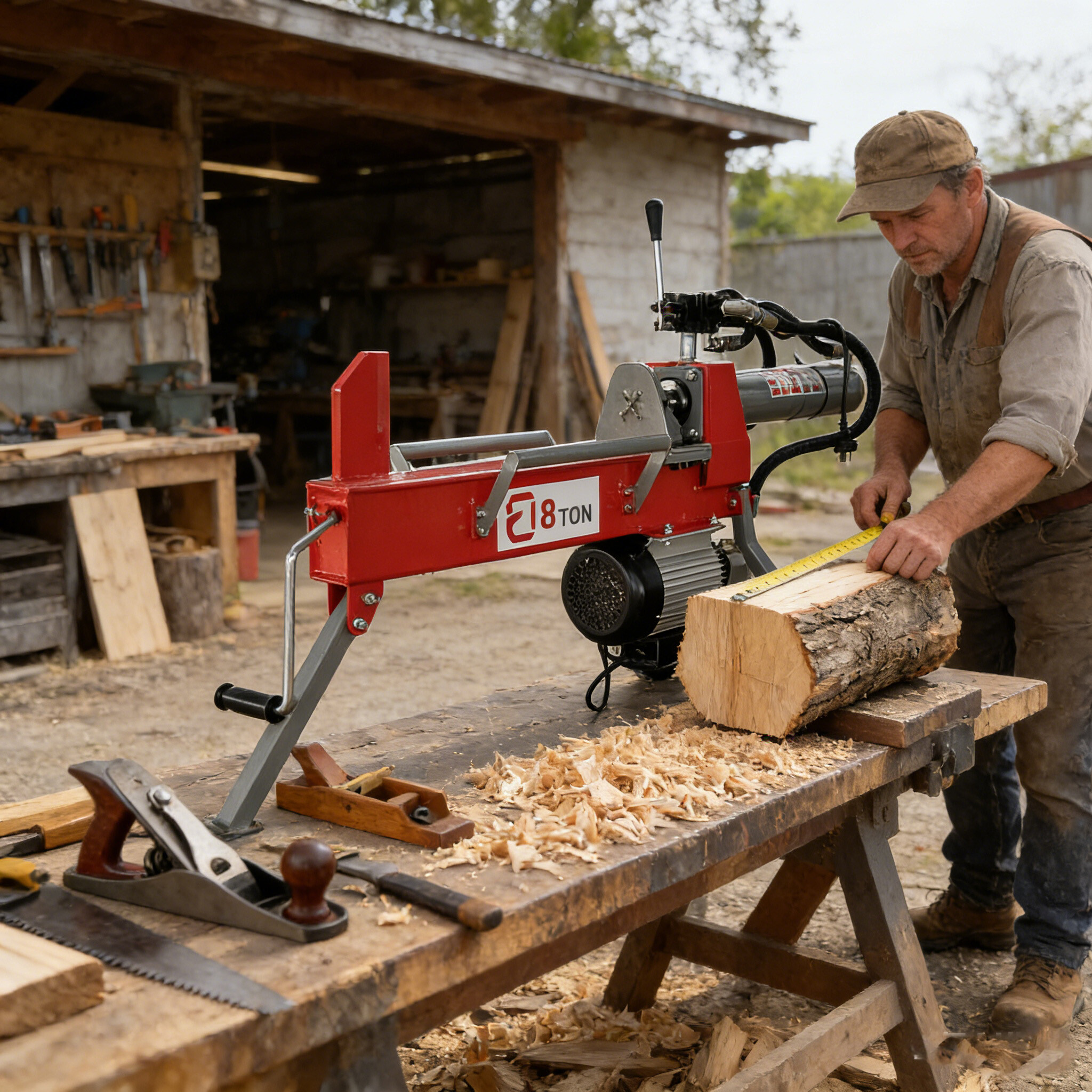
The power system and drive type of a log splitter play a critical role in determining its performance, application range, and operating efficiency. Understanding the differences between various power sources and drive mechanisms helps buyers and professional users select the most suitable log splitter for their specific working conditions.
This overview introduces the most common log splitter power systems and drive types used in residential, commercial, and industrial applications.
1. Hydraulic Drive System
The hydraulic system is the most widely used drive method in modern log splitters.
Key Components:
Hydraulic pump
Hydraulic cylinder
Control valve
Hydraulic oil tank
Working Principle:
The power source drives the hydraulic pump, generating pressure that moves the hydraulic cylinder. The cylinder pushes the splitting wedge through the log to achieve efficient splitting.
Advantages:
High and stable splitting force
Smooth and controlled operation
Suitable for hardwood and large-diameter logs
Applications:
Medium to heavy-duty log splitters (15T–30T and above), commercial and industrial use.
2. Electric Power System
Electric log splitters use electric motors as the main power source.
Features:
Powered by single-phase or three-phase electricity
Low noise and zero exhaust emissions
Simple structure and easy maintenance
Advantages:
Suitable for indoor or residential environments
Lower operating cost
Easy start and stable performance
Limitations:
Limited mobility
Generally lower splitting force compared to gasoline models
Applications:
Light to medium-duty applications, residential and small commercial use.
3. Gasoline Power System
Gasoline-powered log splitters use internal combustion engines to drive the hydraulic system.
Features:
Independent of electrical power supply
High mobility and outdoor suitability
High power output
Advantages:
Suitable for remote or outdoor working sites
Handles large and tough logs effectively
Limitations:
Higher noise and emissions
Regular engine maintenance required
Applications:
Heavy-duty and outdoor wood processing, forestry and commercial firewood operations.
4. Horizontal and Vertical Drive Configurations
Log splitters are also classified by their drive and working orientation:
Horizontal Log Splitters:
Ideal for small to medium logs, offering fast operation and easy handling.Vertical Log Splitters:
Designed for large and heavy logs, reducing the need for manual lifting.Dual-Position (Horizontal/Vertical) Models:
Provide flexibility for a wide range of log sizes and working conditions.
5. Power and Drive Selection Considerations
When choosing a log splitter power system and drive type, consider the following factors:
Required splitting force (tonnage)
Wood type and diameter
Working environment (indoor or outdoor)
Mobility requirements
Maintenance and operating cost
Selecting the right configuration improves productivity and extends machine service life.
Conclusion
Log splitters are available in various power systems and drive types to meet different operational needs. Hydraulic drive systems combined with electric or gasoline power sources offer reliable performance for most applications. Understanding these systems helps buyers and professional users make informed decisions for efficient and safe wood splitting.
This stunning beach house property is a true oasis, nestled in a serene coastal community with direct access to the beach.
Contact
West Street, Melbourne Victoria 3000 Australia