


Navigation
Contact us
Phone
Message
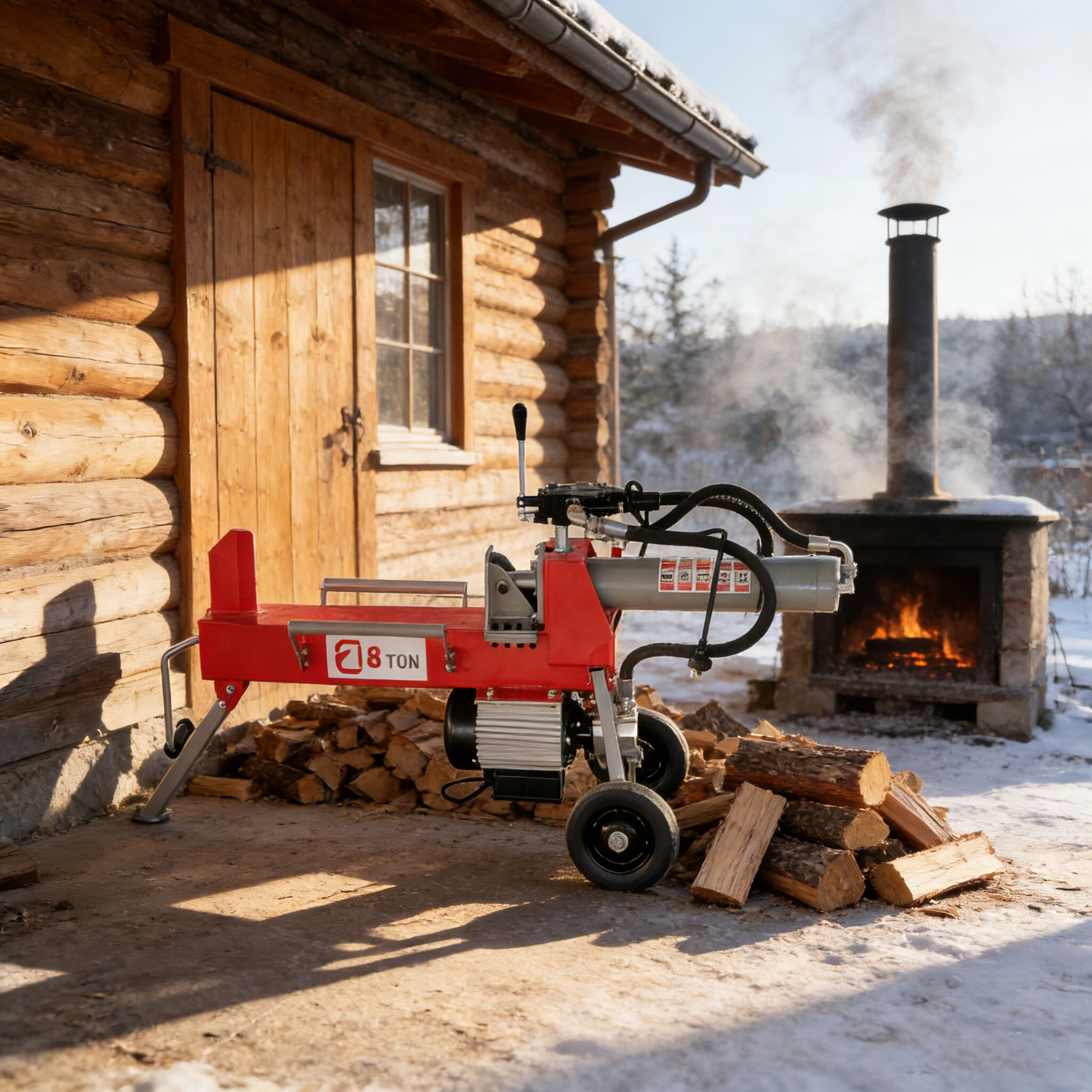
Hydraulic log splitters are designed to deliver stable, high-output splitting performance for residential, commercial, and industrial wood processing. Compared with manual or mechanical methods, hydraulic systems significantly improve efficiency by providing controlled force, consistent cycle time, and reduced operator workload.
This article explains the key ways hydraulic log splitters enhance work efficiency and how users can maximize their performance.
1. Stable and High Splitting Force
Hydraulic systems generate continuous and uniform pressure throughout the splitting process.
Ensures logs are split in fewer cycles
Handles hardwood, knotty, and large-diameter logs effectively
Reduces repeated operations and wasted time
Stable force output is the foundation of efficient wood splitting.
2. Optimized Hydraulic System Design
Efficiency depends heavily on hydraulic system configuration:
High-quality hydraulic pumps provide steady oil flow
Properly sized cylinders balance speed and force
Precision control valves improve response and control
Well-designed hydraulic systems minimize energy loss and improve overall productivity.
3. Consistent and Shorter Cycle Time
Hydraulic log splitters offer predictable cycle performance:
Smooth forward and return strokes reduce idle time
Controlled speed prevents sudden stops or overload
Consistent cycles support continuous operation
Shorter and stable cycle times directly increase hourly output.
4. Reduced Operator Effort and Fatigue
Hydraulic operation significantly lowers physical workload:
Minimal manual force required
Vertical splitting mode eliminates heavy lifting of large logs
Reduced fatigue allows longer, more productive working sessions
Lower operator strain helps maintain efficiency over extended use.
5. Adaptability to Different Wood Conditions
Hydraulic log splitters adapt well to varying materials:
Effective on softwood and hardwood
Maintains performance on wet, dense, or uneven logs
Adjustable operation speed for different wood types
This adaptability reduces downtime caused by difficult splitting conditions.
6. Workflow Optimization with Hydraulic Systems
Efficiency can be further improved through proper workflow:
Align logs with natural grain or cracks
Sort logs by size and wood type before splitting
Maintain continuous operation cycles when possible
Use log tables or supports to reduce handling time
Optimized workflow maximizes the advantages of hydraulic power.
7. Maintenance and Long-Term Efficiency
Routine maintenance ensures consistent efficiency:
Maintain correct hydraulic oil level and cleanliness
Inspect hoses, seals, and fittings regularly
Keep the splitting blade properly aligned and undamaged
Proper maintenance prevents performance loss and unexpected downtime.
Conclusion
Hydraulic log splitters improve work efficiency through stable splitting force, optimized hydraulic design, consistent cycle time, and reduced operator effort. When combined with correct operation and regular maintenance, hydraulic systems deliver reliable productivity and long-term performance for professional wood processing.
For commercial users and distributors, choosing a well-designed hydraulic log splitter is a cost-effective solution to achieve higher efficiency and lower operating costs.
This stunning beach house property is a true oasis, nestled in a serene coastal community with direct access to the beach.
Contact
West Street, Melbourne Victoria 3000 Australia