


Navigation
Contact us
Phone
Message
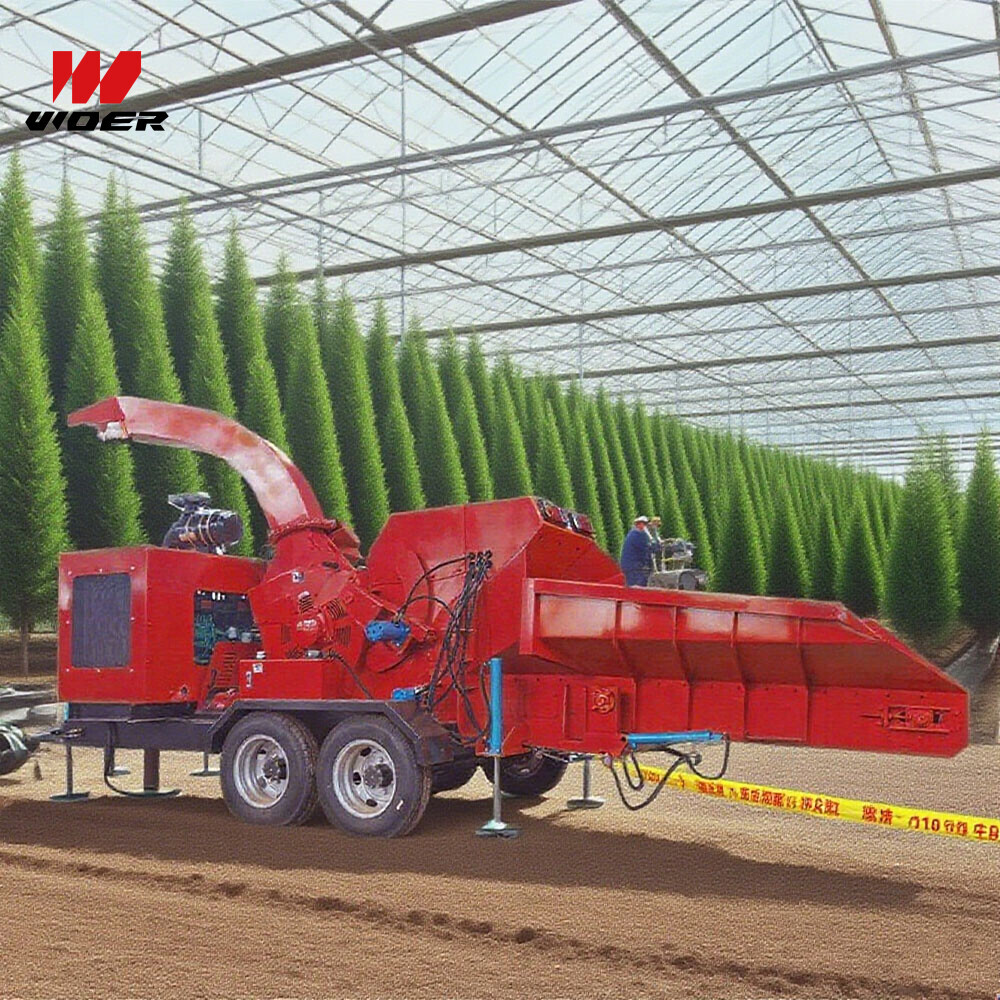
As procurement teams, technical evaluators and on-site operators assess options, the question arises: can a wood chipper made in China deliver the durability, safety and performance required by global projects? This introduction outlines how modern Chinese manufacturers produce compliant machines across models such as the pto wood chipper, shredder wood chipper, chipper shredder wood and diesel wood chipper families while offering mobile and powerful wood chipper options as well as automated solutions like the auto feed wood chipper. For enterprise decision makers and contract executors, understanding differences—pto wood chipper versus wood chipper diesel drives, or tree wood chipper versus compact chipper shredder wood units—affects both capex and lifecycle costs. This guide highlights standards, testing, procurement checkpoints and real-world case references, and even references a complementary product link to wood processing: China Forestry Machinery Electric Cheap Kinetic Wood Log Splitter.
Definition and Core Concepts: what is a pto wood chipper and related types?
To make confident decisions you need clear definitions. A pto wood chipper connects to tractor power take-off (PTO) shafts and suits agricultural and forestry operations where a tractor is available. A shredder wood chipper often combines a shredding stage for leaves and light branches with a heavier chipper stage for wood, called chipper shredder wood in vendor catalogs. The diesel wood chipper and wood chipper diesel variants provide autonomous operation using onboard engines; they excel on sites without tractors and where mobility is crucial. The tree wood chipper is typically specialized for whole-tree or large-branch intake with reinforced rotors and feed systems. Mobile configurations—wood chipper mobile—bring transportation-ready frames, towing hitches and suspension. A powerful wood chipper emphasizes high throughput and larger cutting chambers, while an auto feed wood chipper integrates hydraulic or conveyor feeding for continuous operation. These distinctions affect safety features, maintenance intervals and certification pathways, so decision-makers and technical evaluators must match machine type to application and standards compliance.
Technical Performance and Design Considerations for Buyers
Understanding core technical metrics helps you compare pto wood chipper models against diesel wood chipper units. Key parameters include engine or PTO power (kW or hp), rotor diameter, blade configuration, feed opening dimensions, maximum branch diameter, throughput (m3/h or t/h), fuel consumption for wood chipper diesel machines, and hydraulic system specifications for auto feed wood chipper designs. Blade metallurgy determines wear life; high-chrome or hardened alloy knives extend service intervals. For shredder wood chipper units, rotor design balances shear and impact to manage both green and dry waste without clogging. For the tree wood chipper class, reinforced rotors, larger flywheels and higher inertia improve bite and reduce stall risk when processing whole limbs. Operators valuing mobility should prioritize wood chipper mobile features such as compact chassis, tow packages, and integrated stabilizers.Material handling matters: in-feed rollers, hydraulic pressure, and feed-rate controls influence both throughput and safety. A powerful wood chipper tuned for high volume must include robust lubrication paths, sealed bearings and redundant overload protection. For wood chipper made in China units, verify factory-provided performance charts and request on-site demonstration of rated throughput with representative material. Test fuel consumption metrics for wood chipper diesel models under varying loads; PTO units require tractor compatibility checks including shaft speed (540/1000 rpm) and coupling standards. Effective maintenance design—quick-change blades, accessible grease points, and modular drive components—reduces downtime and total cost of ownership.
Standards, Certification and Compliance Pathways
Global projects demand documented compliance. For machinery sold into European markets, CE marking under the Machinery Directive (2006/42/EC) is essential; this requires risk assessment per ISO 12100 and guarding per EN 13525 for tree chippers in forestry. Emissions and engine certification follow regional rules: Tier 4 / Stage V for diesel engines in some markets, or EPA Tier standards in the United States. Noise and vibration limits reference ISO 11201 and ISO 5349 methodologies for operator exposure. Electrical components and controls should meet IEC standards and EMC directives where applicable. Quality management systems such as ISO 9001 and factory production control add credibility to claims.Chinese manufacturers export successfully by aligning production with these standards and obtaining third-party test reports. Buyers should request certification dossiers, CE technical files, and engine certificates. For pto wood chipper models, conformity evaluation includes mechanical guards, emergency stop systems, and PTO shielding per international guard standards. For wood chipper diesel units, emissions data and muffler ratings should be provided. A thorough acceptance plan for a wood chipper made in china machine includes witness testing, functional checks and noise/emission spot measurements, ensuring the unit performs to declared parameters before shipment.
Application Scenarios and Industry Use Cases
Different sectors demand different configurations. Municipalities use mobile chipper shredder wood units for roadside clearance and storm response; they value quick deployment, low operator training burden and safe feed systems. Utility contractors prefer a powerful wood chipper with auto feed wood chipper functionality for right-of-way clearing, where continuous throughput reduces traffic impact and costs. Forestry operations often standardize on pto wood chipper attachments for tractor-based harvesters or select tree wood chipper units for processing whole stems into biomass feedstock. Landscaping and tree-care firms prioritize compact wood chipper mobile units with easy maintenance and low fuel burn, while biomass plants favor diesel wood chipper and chipper shredder wood configurations delivering consistent chip size for combustion or pellet feed.Real-world cases show that matching the machine type to the workflow lowers accident rates and increases uptime. For example, a regional utility saved 28% on removal cycle time after switching from trailer-fed wood chipper units to a modern auto feed wood chipper with conveyor integration. Decision-makers should request site-specific throughput tests: feeding materials of varying moisture and diameter replicates real conditions and validates manufacturer claims.
Procurement Guide: specifications, tests and contractual checkpoints
Enterprise procurement should adopt a structured specification and acceptance testing approach. Start by defining use-case metrics: expected daily throughput, maximum branch diameter, trailer or tractor compatibility, and fuel supply logistics. Include mandatory requirements such as CE compliance, engine certificates, operator training, and spare parts lead times. Require vendors to provide FAT (Factory Acceptance Test) videos, inspection reports and a clear warranty scope. Testing protocols must include: system start-up checks, feed and discharge behavior, peak load operation, emergency stops, guarding integrity, and emissions/noise spot checks for diesel wood chipper and wood chipper diesel units. Include performance acceptance thresholds (e.g., minimum throughput, maximum fuel consumption) and remedy clauses if machines fail to meet targets.Below is a simple comparison table to help buyers prioritize features. The table highlights differences between PTO-driven and diesel-driven chipper categories, helping technical evaluators and business teams align on priorities.
Cost, Total Cost of Ownership and Alternatives
Cost evaluation must go beyond purchase price. Consider fuel for wood chipper diesel units, PTO opportunity cost when a tractor is occupied, spare part availability, downtime rates and resale values. Lifecycle analysis often shows that a slightly higher-capacity powerful wood chipper with better blade metallurgy pays back through fewer blade changes and less operator time. For some fleets, a hybrid approach—mixing pto wood chipper attachments for farm work and a mobile diesel wood chipper for emergency response—optimizes capital allocation.Alternatives include mulchers, stationary grinders for large-volume biomass plants, or contract chipping services. When comparing chip size and quality, chipper shredder wood machines produce variable output suited for mulch and compost, whereas specialized chippers set to a fixed screen produce consistent biomaterial for pellets. Include assumptions for fuel prices, expected operating hours and maintenance intervals in a five-year TCO model to justify procurement to financial decision-makers.
Quality Assurance, Factory Practices and Risk Mitigation
Chinese manufacturing excellence in this sector has improved through investment in CNC machining, heat-treatment facilities for blades, and assembly-line quality management. Buyers should request documented QA steps: incoming material certificates, process control charts, non-destructive testing for critical rotating parts, and final run-in tests. Factory audits—covering supplier traceability, welding standards, and paint/coating processes—reduce supply risk. For critical projects, include third-party inspections and FAT witness by technical evaluators.Risk mitigation includes stocking critical spares locally, defining SLAs for technical support, and ensuring operator training. Many suppliers of wood chipper made in china provide remote diagnostic support and modular replacement kits to minimize downtime. When selecting a vendor, verify references and ask for site photos or case studies demonstrating sustained field performance under comparable conditions.
Common Misconceptions, Case Study and FAQs
Myth: "Made in China" equals low quality. Reality: many reputable Chinese manufacturers follow ISO 9001 and produce CE-certified pto wood chipper and diesel wood chipper units used in multinational fleets. Myth: diesel wood chipper engines always pollute more. Reality: modern engines meet Tier/Stage standards and include after-treatment where required.Case study: A municipal fleet replaced older trailer chippers with a mix of wood chipper mobile units and a powerful wood chipper with auto feed wood chipper features. After 18 months, they reported 22% lower fuel use per cubic meter of chip and 35% fewer operator incidents due to better guarding and automatic feed control.FAQs:
Q: How to choose between pto wood chipper and diesel wood chipper?
A: Match to site logistics—if tractors are available choose PTO; if autonomy is needed choose diesel.
Q: What size is right for a tree wood chipper?
A: Base selection on maximum diameter handled and required throughput.
Q: Can wood chipper made in china meet CE and emission rules?
A: Yes, with proper factory certification and documented test reports.
Why choose us and next steps
We help enterprise decision makers and contract executors by providing structured technical evaluations, FAT witness services and procurement templates that include specific checkpoints for pto wood chipper, shredder wood chipper, chipper shredder wood and diesel wood chipper categories. Our approach reduces procurement risk, verifies performance metrics for wood chipper diesel units, and confirms that a wood chipper made in china can satisfy international requirements. Contact our team to schedule a technical briefing, demand a sample run, or request a tailored TCO analysis that compares wood chipper mobile options against fixed installations. Reach out to start a no-obligation review and ensure your next purchase aligns with safety, cost and performance goals.
In conclusion, evaluating pto wood chipper models alongside diesel wood chipper alternatives, understanding the nuances of shredder wood chipper and chipper shredder wood designs, and insisting on documented standards such as CE, ISO and engine emissions certificates allows organizations to source reliable machines. A wood chipper made in china, when vetted properly, delivers competitive cost, modern features like auto feed wood chipper systems and sufficient quality to meet international projects. For immediate enquiries or to request a demonstration, contact us—our procurement checklist and vendor audit templates help close deals with confidence.
This stunning beach house property is a true oasis, nestled in a serene coastal community with direct access to the beach.
Contact
West Street, Melbourne Victoria 3000 Australia