


Navigation
Contact us
Phone
Message
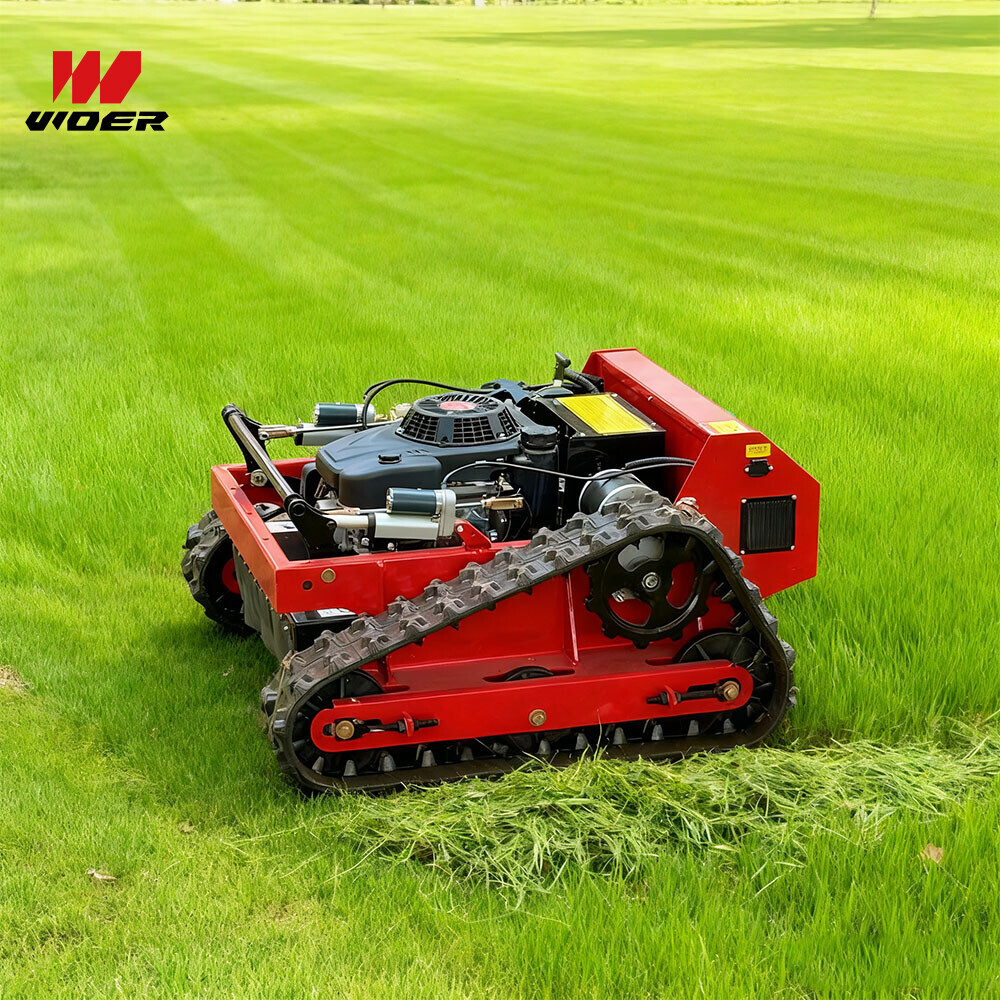
Keep your gasoline lawn mower running efficiently with this concise maintenance checklist—10 pro tips designed to cut downtime and lower fuel costs. Whether you manage traditional lawn mowers for grass cutting or evaluate newer options like cordless lawn mower models, remote control lawn mower systems, robot lawn mower and automatic lawn mower units, or heavy-duty crawler lawn mower platforms, these practical steps cover engine care, fuel management, blade and air-filter checks, and scheduled inspections to help operators, technicians, and business decision-makers extend equipment life and improve fuel economy.
In wood processing equipment environments—sawmill yards, timber storage sites, pallet manufacturing facilities and other timber-handling operations—the reliability of groundskeeping assets directly affects workflow, safety and material logistics. Decision-makers and fleet managers must minimize downtime for gasoline lawn mower fleets while evaluating alternatives such as lawn mowers for grass cutting with electric or autonomous capabilities. This checklist targets information researchers, operators, technical evaluators and executives who need actionable, industry-aligned guidance to reduce operating costs, preserve site access and maintain compliance with site-specific environmental and safety standards.
1. Engine and Fuel System Best Practices: Cut Fuel Costs, Reduce Emissions
For wood processing facilities, gasoline lawn mower engine health is a frontline operational concern: inefficient combustion increases fuel consumption, raises emissions around sawdust and wood residues, and can create downtime during peak production seasons. Start with scheduled fuel audits and choose fuel-management practices that align with on-site storage and handling rules. Use fresh gasoline with appropriate ethanol content limits specified by the engine manufacturer—ethanol blends above recommended levels accelerate varnish formation in carburetors and fuel lines. For fleets using gasoline lawn mower units alongside cordless lawn mower or automatic lawn mower options, segregate fuel storage and labeling to avoid cross-contamination and ensure traceability for maintenance records.
Key actions include fuel stabilization for seasonal storage, draining fuel when machines will be idle longer than 30 days, and using inline fuel filters that are rated for particulate sizes found in industrial settings. Inspect fuel caps and vents to confirm they prevent hydrocarbon loss and moisture ingress—moisture can promote microbial growth and clog systems. When evaluating remote control lawn mower or remote lawn mower platforms, consider engine idle controls and remote throttle calibration to reduce over-revving and unnecessary fuel burn during transit across timber yards.
Data-driven tip: Implementing a weekly fuel reconciliation and visual fuel-system checklist has been shown in industrial fleet studies to reduce fuel-related failures by up to 35% over a 12-month period. For operations balancing gasoline lawn mower and lawn mower robot deployments, feed this data into centralized maintenance management systems to compare fuel economy across machine types and select models (e.g., crawler lawn mower for slope control vs. push models for small lawns) that deliver lower lifecycle fuel costs.
2. Air Intake, Filters and Carburetor Care: Protect the Engine in Dusty Wood Sites
Wood processing environments typically have airborne particulates—sawdust, bark fragments and other debris—that accelerate air-filter loading and impair combustion. A clean air intake equals more efficient engines and fewer unplanned interventions for gasoline lawn mower fleets. For every machine, follow manufacturer service intervals for air-filter replacement, but increase frequency in dusty operations. Foam pre-filters and pleated paper elements can be combined for higher dust holding capacity; inspect pre-filters daily during heavy shop cycles and replace primary elements on a scheduled basis.
Carburetor health is critical for carbureted gasoline engines. Symptoms such as hard starting, uneven idle, or black smoke often point to incorrect idle-mixture settings or varnish buildup—common where ethanol blends or old fuel are used. Use ethanol treatment additives where compatible, or opt for ethanol-free fuel when long storage or intermittent use is expected. For facilities assessing newer technologies, note that many cordless lawn mower and robot lawn mower models eliminate carburetor concerns but introduce battery management considerations; for gasoline lawn mower fleets, dedicate a trained technician to carburetor adjustments and cleaning using controlled-area procedures to minimize sawdust contamination.
Practical checklist items:
- Daily visual: Inspect air intake screen and pre-filter for large debris.
- Weekly: Remove and clean foam pre-filters with recommended solvents and allow full drying before reinstallation.
- Monthly: Replace pleated paper filters in dusty seasons or after X operating hours (as per OEM).
- Quarterly: Inspect carburetor for varnish; perform rebuilds on units exceeding recommended idle-hour thresholds.
3. Blades, Cutting Deck and Drive System: Maintain Cut Quality and Safety
In wood industry sites, uneven ground, hidden debris and wood fragments increase the risk of blade damage and deck wear. A blunt or unbalanced blade reduces cutting efficiency, increases engine load and raises fuel consumption for lawn mowers for grass cutting. Regular blade maintenance thus has a strong ROI: improved cut quality, lower fuel draw, and reduced vibration-related wear to transmissions and mounts. Inspect blades for nicks, bends and corrosion; sharpen to OEM-specified angles and balance to prevent vibration that stresses spindle bearings and belts.
Beyond sharpening, keep the cutting deck free of built-up clippings and sawdust that retain moisture and accelerate corrosion. On crawler lawn mower or heavy-duty units used around timber stacks, check skid plates and guards for deformation and ensure debris-ejection paths are clear to avoid clogging that strains the drive system. Replace worn spindle bearings and belts proactively—belt slippage increases engine RPM under load and thus fuel consumption.
For operations considering a mix of conventional gasoline lawn mower and lawn mower robot units, calibrate expectations: autonomous units may maintain more frequent, lighter cuts and therefore reduce strain on blades per event, but they still require scheduled blade inspections due to continuous operation. Establish a blade lifecycle log, linking hours of operation to sharpening intervals, and include blade torque checks in pre-shift inspections to ensure fasteners remain within specification.
4. Electrical Systems, Ignition and Safety Switches: Minimize No-Start Events
No-start incidents cost productive time in lumber and wood-processing operations, where access to outdoor equipment is often critical to transport and storage tasks. Maintain a preventive plan for the electrical and ignition systems across gasoline lawn mower and hybrid fleets. Begin with battery checks: terminal corrosion, state-of-charge and secure mounting. Poor battery health can create voltage drops that affect ignition coils and alternators, leading to unreliable starting or intermittent power faults in remote control lawn mower and remote lawn mower platforms that rely on consistent electrical supply for control modules.
Inspect spark plugs and ignition leads per OEM intervals—replace plugs that show fouling, oil deposits or excessive gap wear. Many industrial mower engines used near sawmills are air-cooled; ensure cooling fins and ignition timing remain within spec to prevent overheating that degrades electrical components. Test safety switches (operator presence, blade engagement, and parking brake interlocks) during each pre-shift check. Faulty safety switches not only create operational risk but can also mask other electrical issues, increasing diagnostic time.
When integrating automatic lawn mower or lawn mower robot solutions, map how their safety and control circuits interface with site-wide safety protocols. For mixed fleets, standardize diagnostics and use torque and resistance checks to detect wiring degradation early. Use a centralized fault-tracking system so technicians can correlate no-start trends with specific models—be they gasoline lawn mower, cordless lawn mower or crawler lawn mower variants—and prioritize replacements or retrofits accordingly.
5. Scheduled Inspections, Record-Keeping and Operator Training: Reduce Downtime Through Process
Structured maintenance programs are the backbone of reliable operations in wood processing enterprises. Create a scheduled inspection calendar that captures daily operator checks, weekly technical inspections and quarterly deep-service activities for gasoline lawn mower fleets. Use standardized checklists—covering oil level, filters, blades, belts, fuel systems and safety interlocks—and require operator sign-off. This process builds audit trails that are invaluable for technical evaluators and compliance officers in regulated facilities.
Electronic maintenance management systems (CMMS) provide the best return in mid-to-large-scale operations. They enable condition-based alerts, parts inventory integration and lifecycle cost analysis across asset classes: gasoline lawn mower, lawn mower robot, remote control lawn mower and cordless lawn mower. Train operators not only in daily checks, but in correct reporting procedures—clear fault descriptions and photos can cut diagnostic time by half. Incorporate competencies for safe fuel handling in training syllabi to prevent contamination or storage mistakes that cause widespread fleet issues.
Metrics to track: mean time between failures (MTBF), mean time to repair (MTTR), fuel consumption per hour and maintenance cost per operating hour. Benchmark these across equipment types—compare gasoline lawn mower and automatic lawn mower units to assess total cost of ownership. Facilities that implemented structured inspection programs observed a 20–40% reduction in emergency repairs within a year, improving uptime for pallet-loading zones and access roads that are critical to wood handling flows.
6. Fleet-Level Strategies, ROI and Case Study: Choosing the Right Mix for Wood Processing Sites
Making procurement and maintenance decisions requires a clear view of lifecycle costs and site-specific constraints. For yards with steep grades or muddy access, crawler lawn mower platforms may offer superior traction and lower lost-time incidents despite higher initial investment. For high-traffic display yards and office lawns, lawn mower robot and automatic lawn mower units can provide continuous, low-impact maintenance that reduces peak-season labor demands. However, gasoline lawn mower units still excel where heavy cutting loads and long continuous operating times are required.
Case study (anonymized): A medium-size pallet manufacturer replaced half of its gasoline lawn mower fleet with a combination of remote control lawn mower units for steep embankments and lawn mower robot units for courtyard areas. By applying this checklist—fuel stabilization, aggressive air-filter schedules, blade lifecycle logging and CMMS integration—the facility reduced fuel spend by 18% and decreased unplanned downtime by 32% in 12 months. The ROI analysis favored maintaining a mixed fleet: cordless lawn mower models were evaluated but deferred due to battery replacement costs in high-use zones near dust-generating processing lines.
Decision framework for procurement and maintenance prioritization:
- Map site zones by usage, slope, dust-exposure and proximity to wood-processing operations.
- Assign equipment classes (gasoline lawn mower, crawler lawn mower, remote lawn mower, lawn mower robot) to zones based on duty cycle and accessibility.
- Estimate lifecycle cost including fuel, filters, blade replacements and downtime costs.
- Implement pilot deployments and use CMMS data to refine schedules and procurement choices.
Maintenance Checklist Table (10 Pro Tips)
Summary and Next Steps for Wood Processing Operations
Adopting a disciplined maintenance program for lawn mowers in wood processing contexts delivers measurable benefits: reduced fuel consumption, fewer unplanned repairs and improved safety around high-traffic timber-handling areas. This checklist consolidates 10 professional tips—fuel management, air-filter care, blade maintenance, electrical reliability, and structured inspections—into a practical framework that can be applied across gasoline lawn mower, remote control lawn mower, robot lawn mower, lawn mower robot, remote lawn mower, cordless lawn mower, lawn mower for grass cutting, automatic lawn mower and crawler lawn mower fleets. By aligning maintenance intervals with site-specific dust exposure and operational rhythms, facilities can extend equipment life and lower total cost of ownership.
Our experience with wood processing clients shows that integrating these practices into a centralized maintenance program and leveraging CMMS data for decision-making yields the fastest ROI. Whether you are evaluating a shift to automatic lawn mower technologies for low-traffic landscapes or optimizing gasoline lawn mower fleets for heavy-duty perimeter work, the right combination of preventive maintenance, operator training and fleet analytics will cut downtime and fuel costs.
Action: To reduce downtime and fuel spend in your wood processing facilities, review your current maintenance schedule against the 10-point checklist above, run a quarterly ROI comparison across equipment types, and implement CMMS-based tracking for fuel and downtime. Contact our team to schedule a complementary fleet audit or to learn more about maintenance programs tailored for sawmills, pallet plants and timber yards. To arrange an assessment or to understand how a mixed fleet (gasoline lawn mower and autonomous units) can optimize uptime and costs for your operations.
This stunning beach house property is a true oasis, nestled in a serene coastal community with direct access to the beach.
Contact
West Street, Melbourne Victoria 3000 Australia