


Navigation
Contact us
Phone
Message
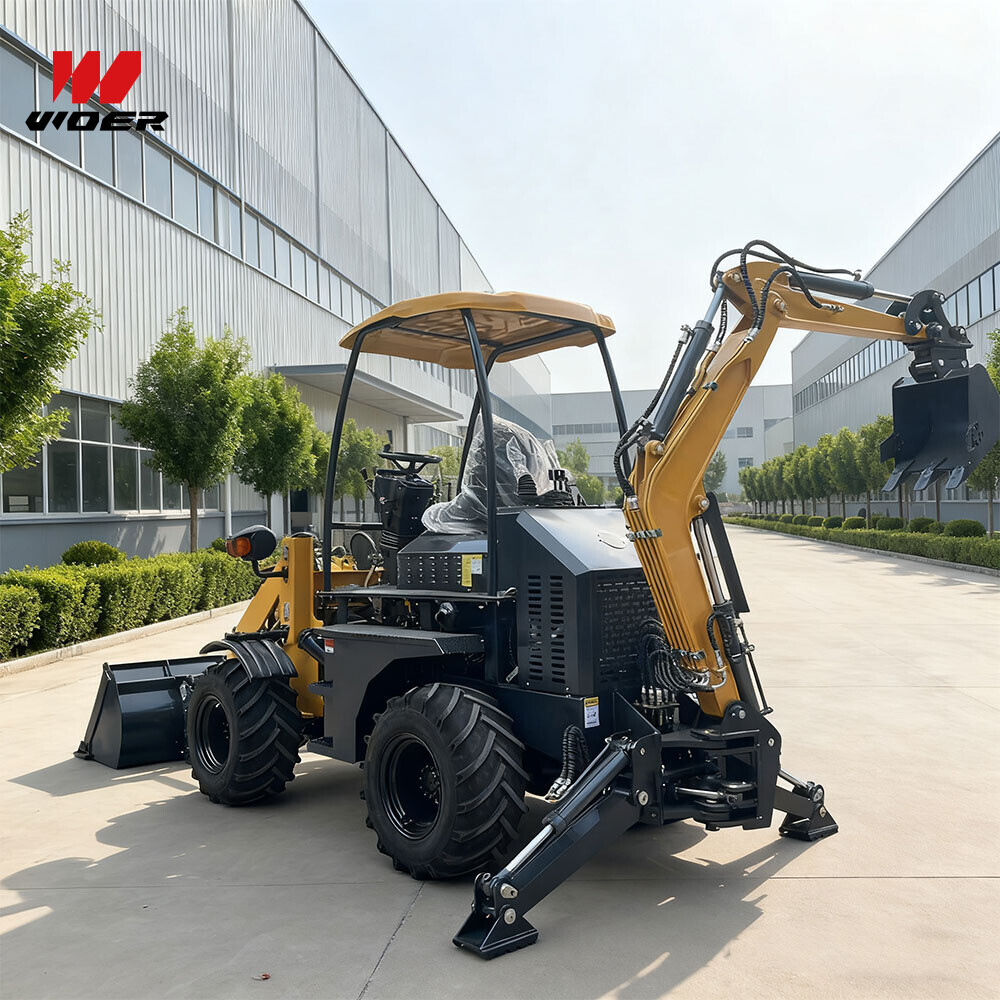
Ensure peak performance and safety with this essential daily inspection checklist for your backhoe loader. Whether operating a mini backhoe loader 4x4, small backhoe loader, or Chinese backhoe loader, proper maintenance is critical for longevity and efficiency. This guide covers vital pre-operation checks for all models - from mini loader backhoes to 4x4 backhoe loaders - helping operators prevent downtime and maximize productivity in wood processing operations.
1. Fluid Level Checks for Optimal Performance
Begin your daily inspection by verifying all critical fluid levels. For wood processing operations where backhoe excavator loaders face heavy debris loads, maintaining proper fluid levels is non-negotiable. Check engine oil when the machine is cold, ensuring it reaches the dipstick's full mark. Inspect hydraulic fluid levels through the sight glass or dipstick - low levels in mini loader backhoes can cause pump cavitation during log handling operations.
Examine coolant levels in the overflow tank, particularly important for Chinese backhoe loaders working extended shifts in sawmills. Don't overlook transmission fluid in 4x4 backhoe loaders used on uneven timber yards. Finally, verify brake fluid and windshield washer fluid (where applicable) to ensure operator visibility when moving between processing zones.
2. Structural Integrity and Attachment Inspection
Wood processing environments demand rigorous structural checks. Start with the loader arms and backhoe boom on your small backhoe loader, looking for stress cracks or weld failures that may compromise log lifting capacity. Inspect bucket teeth and cutting edges - worn components on mini backhoe loader 4x4 units significantly reduce material handling efficiency.
Examine all hydraulic hoses for abrasions or leaks, particularly those controlling log grapples or sorting attachments. The constant vibration from processing hardwood can accelerate hose wear in backhoe excavator loader systems.
3. Powertrain and Undercarriage Evaluation
The demanding conditions of timber yards necessitate thorough powertrain inspections. For 4x4 backhoe loaders navigating between processing stations, check differential lock functionality and transfer case operation. Listen for unusual driveline noises that may indicate bearing wear from frequent starts/stops with heavy log loads.
Inspect undercarriage components with special attention to:
- Track tension (for tracked mini backhoe loaders)
- Tire pressure and sidewall damage (critical for stability when stacking lumber)
- Sprocket wear patterns indicating misalignment
- Roller frames for accumulated wood chips that may cause premature wear
For Chinese backhoe loaders equipped with specialized wood processing attachments, verify PTO operation and auxiliary hydraulic circuit pressures according to manufacturer specifications.
4. Safety Systems and Operator Station Review
Operator safety in wood processing facilities begins with functional safety systems. Test all backhoe loader safety interlocks, including seat switches and hydraulic lockouts. Verify ROPS/FOPS structural integrity - falling branches or shifting log piles pose unique hazards in timber operations.
In the operator station of your small backhoe loader, check:
- All instrument panel warning lights (particularly hydraulic temperature for continuous log handling)
- Control lever responsiveness and neutral return function
- Foot pedal operation and parking brake holding power on inclines
- Climate control systems for cab models processing wood in extreme temperatures
Don't overlook visibility components - clean all mirrors and camera lenses (where equipped) to maintain awareness of ground workers in busy processing yards.
5. Electrical and Lighting System Verification
Early morning or late-night wood processing operations demand fully functional lighting systems. Test all work lights on your mini loader backhoe, particularly those illuminating the backhoe work area during log sorting. Check warning beacon operation and horn functionality - critical for communication in noisy mill environments.
Inspect battery terminals for corrosion, a common issue in sawmills due to wood dust acidity. Verify alternator output meets specifications, especially for Chinese backhoe loaders running additional processing electronics. Check all wiring harnesses for rodent damage or chafing - a frequent cause of electrical faults in outdoor timber storage areas.
6. Special Considerations for Wood Processing Attachments
Backhoe loaders adapted for wood processing require additional inspection points. For machines equipped with log grapples, examine hydraulic rotation motor seals and jaw wear plates. Check pressure settings on wood splitting attachments to ensure proper force application without exceeding system limits.
For 4x4 backhoe loaders with chip dump bodies, inspect:
- Body pivot points and hinge lubrication
- Hydraulic cylinder rod protection from wood debris
- Tailgate latching mechanisms for secure operation
Document any attachment-specific issues separately in your maintenance log, as these often have different service intervals than the base backhoe excavator loader.
Conclusion: Maximizing Uptime in Wood Processing Operations
Implementing this comprehensive daily inspection routine for your backhoe loader - whether a compact mini backhoe loader 4x4 or industrial-sized Chinese backhoe loader - significantly reduces unplanned downtime in wood processing facilities. By methodically checking fluid systems, structural components, safety features, and specialized attachments, operators can identify potential issues before they escalate into costly repairs.
Remember that wood processing environments present unique challenges to equipment. The combination of heavy loads, abrasive materials, and often outdoor operation accelerates wear on small backhoe loader components. Consistent daily inspections adapted to your specific processing applications will extend equipment life and maintain productivity.
For operators seeking to optimize their backhoe loader maintenance programs, our team offers customized inspection checklists tailored to your wood processing workflow. Contact our equipment specialists today to develop a preventive maintenance plan that addresses your operational requirements and maximizes the return on your loader investment.
This stunning beach house property is a true oasis, nestled in a serene coastal community with direct access to the beach.
Contact
West Street, Melbourne Victoria 3000 Australia