


Navigation
Contact us
Phone
Message
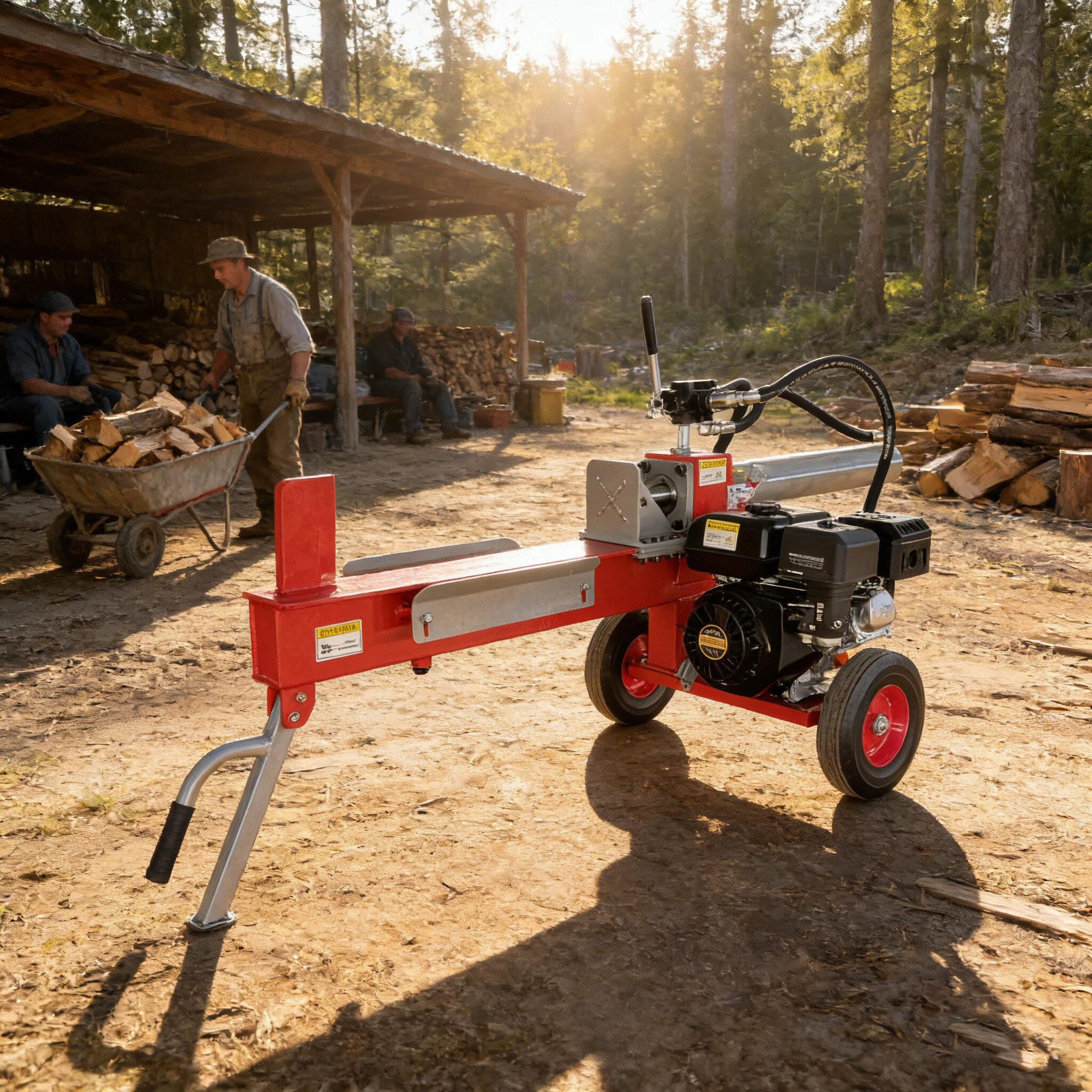
Log splitters are widely used for efficient wood processing in residential, commercial, and industrial environments. However, improper operation, insufficient maintenance, or unsuitable working conditions may lead to performance issues or downtime.
This guide outlines common log splitter problems, their causes, and practical solutions to help users maintain stable and efficient operation.
1. Log Splitter Will Not Start
Possible Causes:
Power supply failure or loose electrical connection
Low fuel level (gasoline models)
Safety switch not properly engaged
Faulty start button or ignition system
Solutions:
Check power source, plugs, and wiring
Refill fuel if required
Ensure all safety components are correctly positioned
Inspect and replace faulty electrical parts if necessary
2. Insufficient Splitting Force
Possible Causes:
Low or contaminated hydraulic oil
Air trapped in the hydraulic system
Worn hydraulic pump or seals
Solutions:
Refill or replace hydraulic oil according to specifications
Bleed air from the hydraulic system
Inspect hydraulic components and replace worn parts
3. Log Does Not Split Completely
Possible Causes:
Oversized, knotty, or twisted wood
Incorrect log positioning
Worn or damaged splitting blade
Solutions:
Reposition the log along the wood grain
Reduce log size to match machine capacity
Inspect and replace the blade if excessive wear is found
4. Hydraulic Oil Leakage
Possible Causes:
Loose hose fittings
Damaged hoses or seals
Excessive system pressure
Solutions:
Stop operation immediately
Tighten fittings and replace damaged components
Ensure operating pressure is within rated limits
5. Blade Gets Stuck in the Log
Possible Causes:
Wet, frozen, or twisted wood
Operating beyond rated capacity
Solutions:
Release hydraulic pressure and reverse the cylinder slowly
Remove the log carefully
Avoid forcing the splitter on difficult wood types
6. Abnormal Noise or Vibration
Possible Causes:
Loose bolts or fasteners
Misaligned components
Hydraulic system malfunction
Solutions:
Stop the machine and tighten all fasteners
Check alignment of moving parts
Inspect hydraulic system for abnormalities
7. Overheating During Continuous Operation
Possible Causes:
Long continuous operation without cooling
Old or contaminated hydraulic oil
Poor ventilation
Solutions:
Allow cooling intervals during extended use
Replace hydraulic oil regularly
Keep cooling areas clean and unobstructed
Log Splitter FAQ
Q1: Why does my log splitter have low splitting power?
A:
Low splitting power is usually caused by low hydraulic oil level, air in the system, or worn hydraulic components. Regular inspection and oil maintenance are recommended.
Q2: Does the splitting blade need sharpening?
A:
Most log splitter blades do not require sharpening like saw blades. However, the blade should remain straight and undamaged. Replace it if cracks or excessive wear are found.
Q3: How often should hydraulic oil be replaced?
A:
For light-duty use, replace hydraulic oil annually. For commercial or high-frequency use, follow the manufacturer’s schedule, typically every 500–1000 operating hours.
Q4: Can a log splitter be used continuously?
A:
Yes, but short cooling breaks are recommended during long operating periods to prevent overheating and maintain system efficiency.
Q5: What type of wood is difficult to split?
A:
Very dry, frozen, knotty, or twisted wood is more difficult to split and may require higher tonnage or multiple splitting passes.
Q6: Is it safe to split oversized logs?
A:
No. Logs exceeding the rated capacity can damage the machine and create safety risks. Always follow the specified size and tonnage limits.
Conclusion
Most log splitter issues can be avoided through proper operation, routine maintenance, and correct wood selection. Understanding common problems and applying the correct solutions helps reduce downtime, improve productivity, and extend equipment service life.
For distributors and professional users, standardized troubleshooting practices ensure reliable long-term performance.
This stunning beach house property is a true oasis, nestled in a serene coastal community with direct access to the beach.
Contact
West Street, Melbourne Victoria 3000 Australia