


Navigation
Contact us
Phone
Message
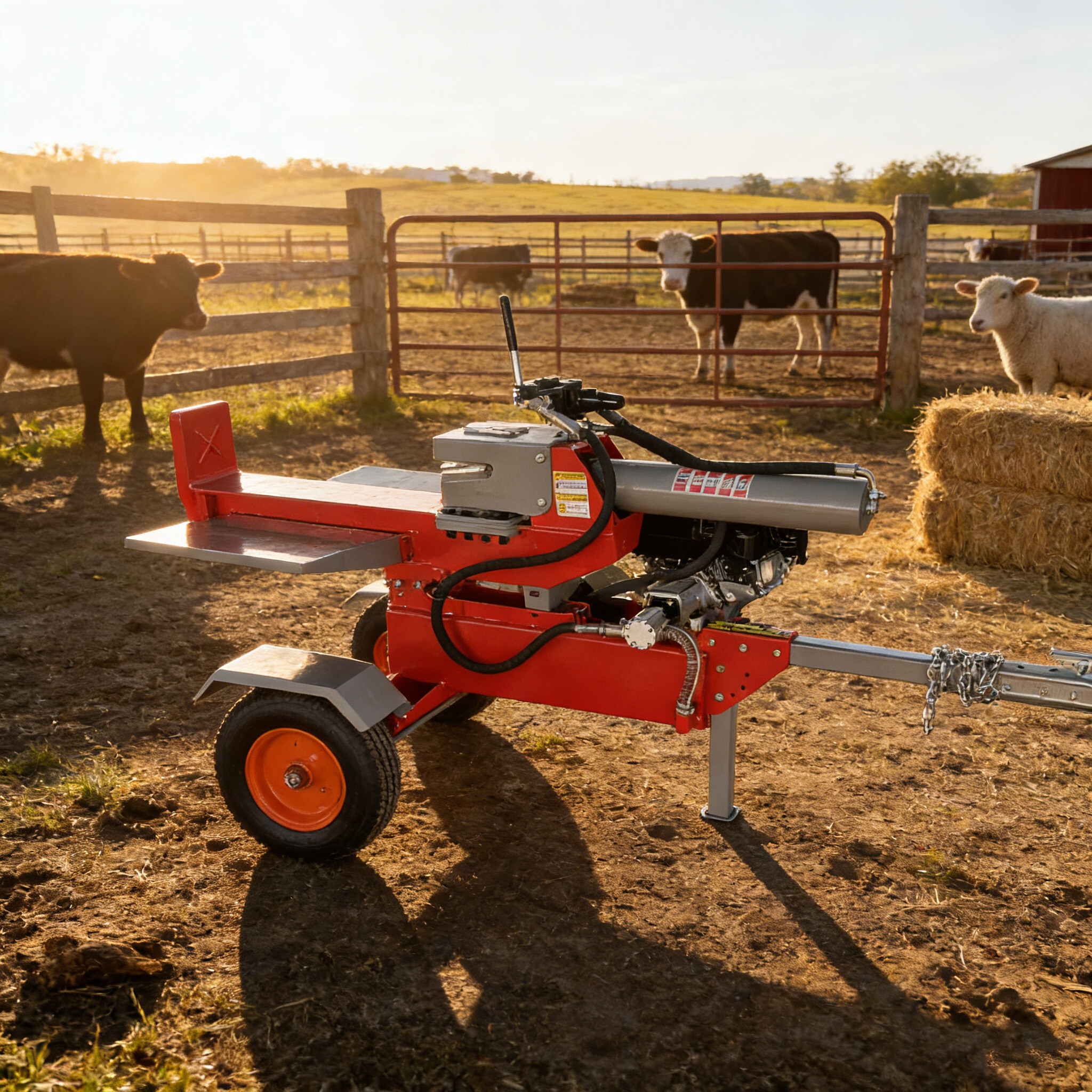
Using a log splitter significantly improves efficiency and reduces manual labor in wood processing. However, improper operation can damage wood fibers, cause cracking, or produce uneven pieces. Protecting wood quality during splitting ensures better usability, higher value, and consistent results.
1. Match Splitting Force to Wood Type
Key Point: Excessive force can damage wood fibers.
Best Practices:
Select a log splitter with appropriate tonnage for the wood’s size and hardness
Avoid high-force machines for small or softwood logs
Adjust hydraulic pressure or speed if available
2. Align Logs Along Natural Grain
Key Point: Wood splits most cleanly along its natural grain.
Best Practices:
Position logs with visible cracks or grain lines facing the blade
Avoid splitting against twisted or irregular grain
Rotate logs to reduce resistance and prevent tearing
3. Split Logs in a Controlled Manner
Key Point: Sudden or excessive pressure may damage wood.
Best Practices:
Apply smooth, steady pressure
Stop and reposition logs if resistance is high
Split large logs in stages rather than one pass
4. Maintain Blade Condition
Key Point: A damaged or misaligned blade reduces split quality.
Best Practices:
Inspect blades regularly for wear or deformation
Keep blades sharp and properly aligned
Replace damaged blades immediately
5. Prepare Logs Properly
Key Point: Well-prepared logs reduce resistance and improve quality.
Best Practices:
Cut logs to recommended lengths
Remove stones, debris, and excessive bark
Sort logs by size and wood type
6. Consider Wood Moisture Content
Key Point: Moisture levels affect splitting behavior.
Best Practices:
Green wood splits more cleanly than overly dry or frozen wood
Adjust splitting speed and method according to wood condition
7. Handle and Stack Wood Carefully
Key Point: Post-splitting handling affects final wood quality.
Best Practices:
Avoid dropping split wood from height
Stack carefully to prevent edge damage
Store in dry, ventilated conditions
Conclusion
Protecting wood quality while using a log splitter requires proper force selection, log alignment, controlled operation, blade maintenance, and careful wood preparation. Following these practices ensures consistent, high-quality splits, reduces waste, and prolongs the life of both the wood and the equipment.
This stunning beach house property is a true oasis, nestled in a serene coastal community with direct access to the beach.
Contact
West Street, Melbourne Victoria 3000 Australia