


Navigation
Contact us
Phone
Message
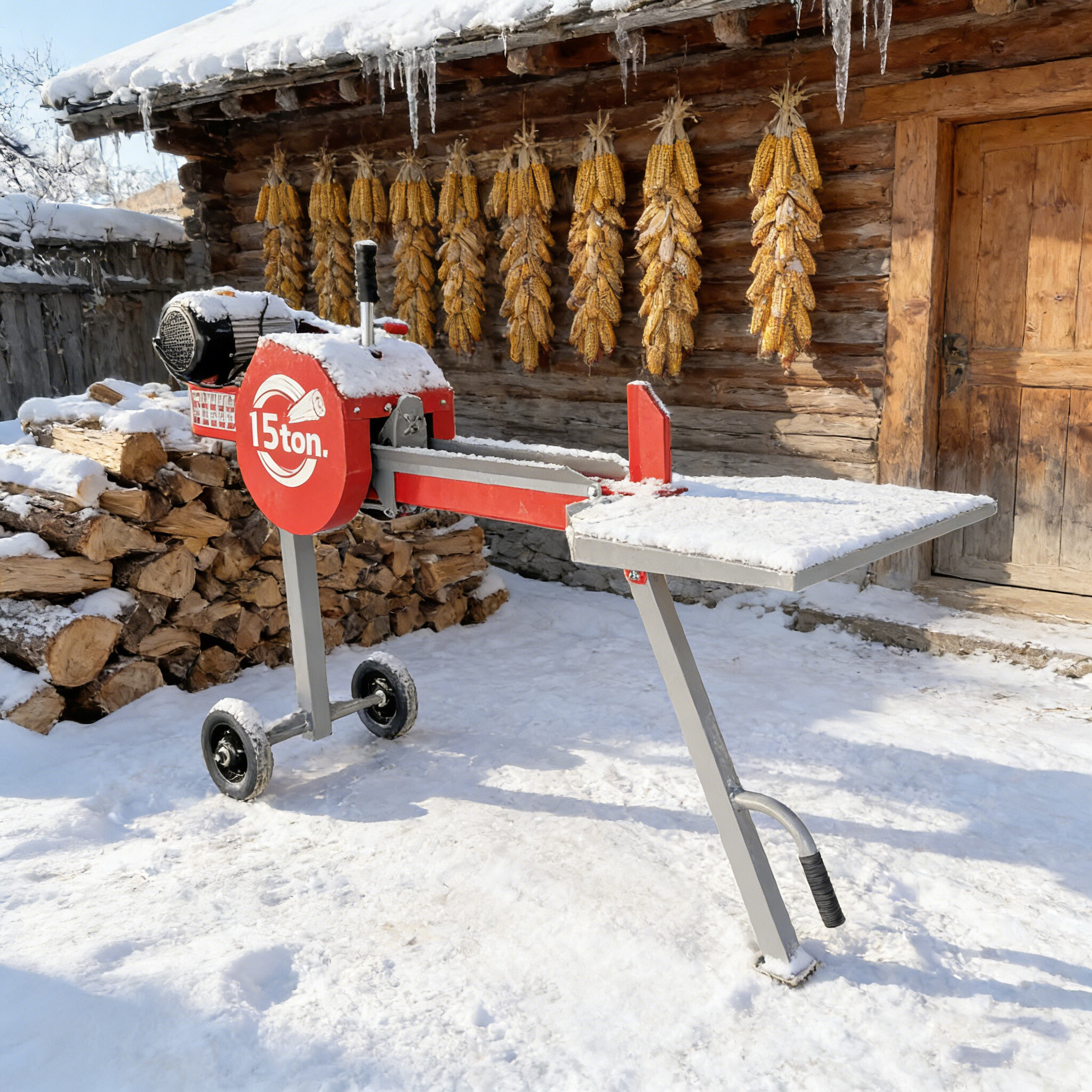
Q1: The log splitter does not start. What could be the reason?
A:
Common causes include power supply issues, low fuel (for gasoline models), loose electrical connections, or an activated safety switch. Check the power source, fuel level, and ensure all safety components are properly engaged before restarting.
Q2: The log splitter runs but has weak splitting force.
A:
This issue is often related to low hydraulic oil level, air in the hydraulic system, worn seals, or incorrect oil type. Inspect the hydraulic oil, remove air from the system if necessary, and replace worn components.
Q3: The log does not split completely.
A:
Possible reasons include oversized or knotty wood, incorrect log positioning, or a worn splitting blade. Try repositioning the log along the grain, reduce log size, or inspect the blade condition.
Q4: Hydraulic oil leakage is found during operation. What should I do?
A:
Stop the machine immediately. Check hoses, fittings, and seals for looseness or damage. Tighten connections or replace damaged parts before resuming operation to avoid system failure.
Q5: The splitting blade gets stuck in the log.
A:
This usually occurs when splitting twisted or wet wood. Release hydraulic pressure, reverse the cylinder slowly, and remove the log carefully. Avoid forcing the machine beyond its rated capacity.
Q6: Abnormal noise or vibration occurs during operation.
A:
Abnormal noise may indicate loose bolts, misalignment, or hydraulic system issues. Stop operation, inspect fasteners and moving parts, and ensure the machine is placed on a stable surface.
Q7: How often should hydraulic oil be replaced?
A:
For light-duty use, hydraulic oil is typically replaced once a year. For commercial or high-frequency use, follow the manufacturer’s maintenance schedule, usually every 500–1000 operating hours.
Q8: Does the log splitter blade need sharpening?
A:
Most log splitter blades do not require sharp edges like saw blades. However, the blade should remain straight and undamaged. Replace the blade if excessive wear or cracks are found.
Q9: Can the log splitter operate continuously for long periods?
A:
Yes, but continuous operation should include short breaks to prevent overheating, especially for hydraulic systems. Proper cooling and routine inspection help maintain stable performance.
Q10: How can I extend the service life of a log splitter?
A:
Regular maintenance, correct operation, using suitable wood sizes, and timely replacement of worn parts are key factors in extending machine lifespan.
Conclusion
This FAQ addresses the most common log splitter issues encountered during operation. Following proper troubleshooting and maintenance practices helps reduce downtime, improve safety, and ensure reliable long-term performance.
This stunning beach house property is a true oasis, nestled in a serene coastal community with direct access to the beach.
Contact
West Street, Melbourne Victoria 3000 Australia