


Navigation
Contact us
Phone
Message
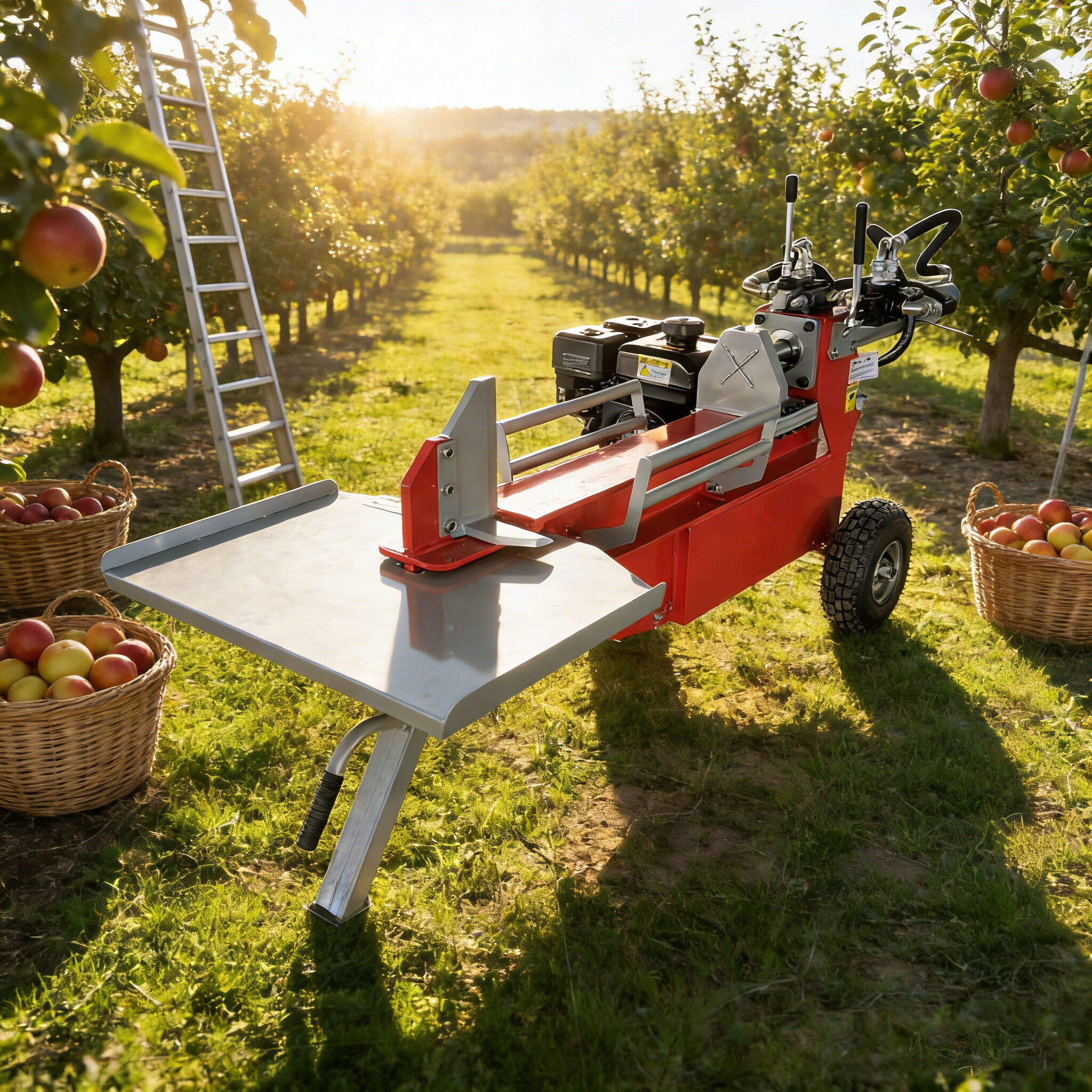
Selecting the appropriate wood for a log splitter is a key factor in achieving efficient operation, protecting equipment, and maintaining consistent splitting quality. Wood characteristics such as size, hardness, grain structure, and moisture content directly affect splitting performance and productivity.
This analysis explains the main factors to consider when choosing wood for log splitter applications.
1. Log Size and Machine Capacity
Technical Impact:
Log size must match the rated capacity of the log splitter.
Logs that exceed the recommended diameter or length increase hydraulic load
Oversized wood reduces splitting success rate and cycle efficiency
Properly sized logs ensure stable pressure distribution
For optimal performance, logs should always remain within the machine’s specified limits.
2. Wood Type and Hardness
Technical Impact:
Different wood species require different splitting force levels.
Softwoods are easier to split and suitable for low- to mid-tonnage machines
Hardwoods require higher splitting force and controlled operation
Dense or fibrous wood increases resistance and cycle time
Matching wood hardness to splitter capacity improves productivity and reduces wear.
3. Grain Structure and Log Condition
Technical Impact:
Grain direction determines how easily a log separates.
Straight-grain logs split more cleanly and efficiently
Knotty or twisted logs require repositioning or staged splitting
Logs with visible cracks improve splitting success
Correct grain alignment reduces internal stress and blade resistance.
4. Moisture Content and Wood Condition
Technical Impact:
Moisture level significantly affects splitting behavior.
Green wood generally splits faster and with less resistance
Extremely dry wood may splinter or resist splitting
Frozen wood increases splitting force demand and equipment strain
Whenever possible, wood should be split under moderate moisture conditions.
5. Log Shape and Surface Quality
Technical Impact:
Irregular log shapes reduce stability during splitting.
Uneven ends cause misalignment and incomplete splitting
Excessive bark buildup affects blade contact
Flat and evenly cut logs improve control and safety
Stable positioning improves efficiency and reduces operational risks.
6. Matching Wood Selection to Splitter Design
Technical Impact:
Splitter configuration influences wood handling efficiency.
Horizontal splitters work best for smaller, manageable logs
Vertical splitters are suitable for large, heavy logs
Hydraulic splitters offer better control for difficult wood types
Choosing wood based on splitter design enhances productivity.
Conclusion
Selecting the right wood for a log splitter involves balancing log size, wood type, grain structure, moisture content, and machine configuration. Proper wood selection improves splitting efficiency, reduces mechanical stress, and ensures consistent output quality.
For professional users and distributors, understanding wood characteristics enables better equipment utilization and long-term operational efficiency.
This stunning beach house property is a true oasis, nestled in a serene coastal community with direct access to the beach.
Contact
West Street, Melbourne Victoria 3000 Australia