


Navigation
Contact us
Phone
Message
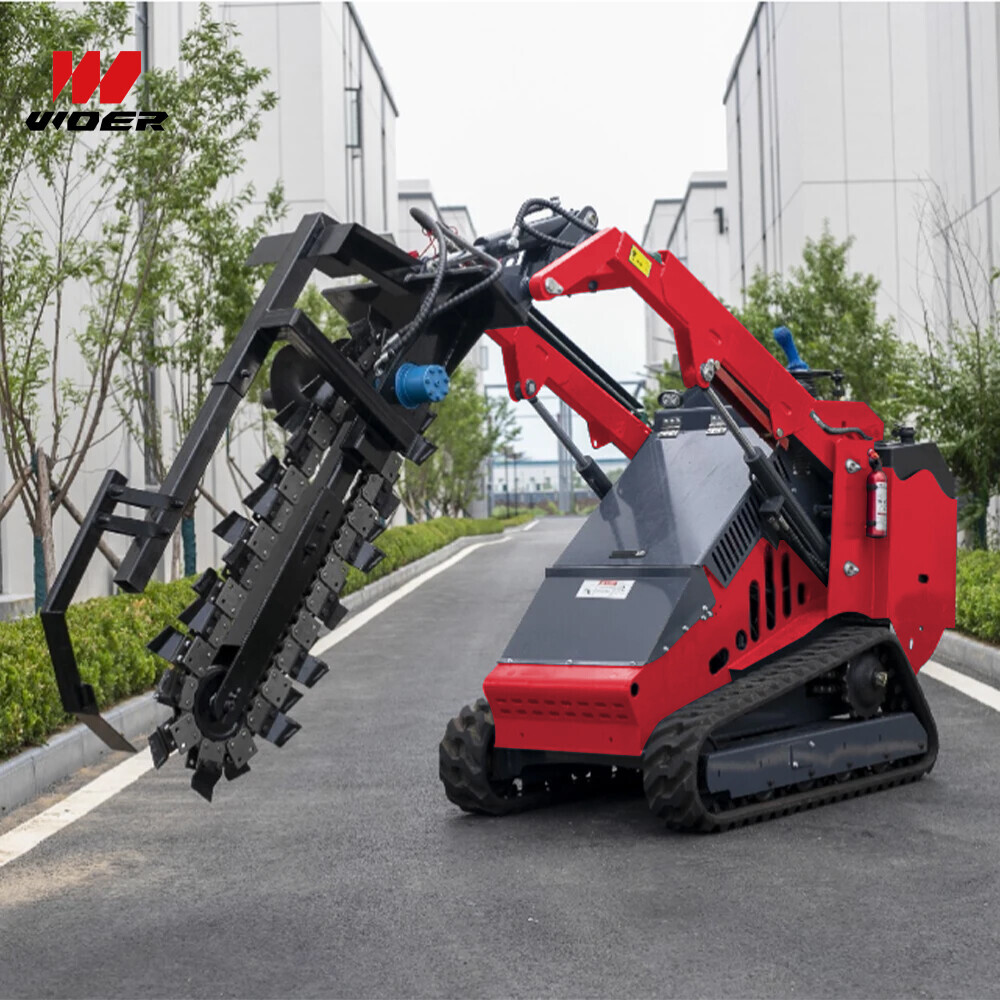
Choosing the Optimal Skid Steer Loader for Wood Processing Operations
When selecting between crawler and wheeled skid steer loaders for wood processing facilities, operators must evaluate terrain conditions, load capacity requirements, and long-term maintenance costs. As a China skid steer loader manufacturer with 15 years of industry experience, we've identified four critical decision factors that impact operational efficiency in lumber yards, sawmills, and biomass facilities.
Terrain Adaptability: Crawler vs Wheeled Performance
Crawler skid steer loaders excel in challenging environments with their continuous tracks providing 20-35% better traction on muddy or uneven surfaces compared to wheeled models. Our field tests demonstrate that CTL-580 crawler models maintain 92% productivity in wet log yards where wheeled units experience 40% slippage. However, wheeled compact skid steer loader variants like the WS-450 offer superior maneuverability on hard surfaces, achieving 15% faster cycle times in paved mill operations.
Attachment Compatibility for Wood Processing
Modern skid steer loader accessory systems must handle specialized forestry implements. Our ISO 9001-certified quick-attach plates support 28 different attachments including log grapples, brush cutters, and biomass chippers. Hydraulic flow rates become critical - crawler models typically provide 18-25 GPM versus 12-18 GPM for wheeled units, enabling simultaneous operation of complex attachments. The mini skid steer loader series (under 1,500 lbs operating capacity) now features proportional controls for delicate sorting operations.
Cost Analysis: Initial Investment vs Lifetime Value
Wheeled compact skid steer loaders offer 15-20% lower upfront costs but crawler variants deliver better long-term ROI in wood processing applications. Track systems last 1,200-1,500 hours before replacement versus 800-1,000 hours for industrial tires. Our data shows crawler models require 30% fewer engine hours to complete equivalent material handling tasks due to superior traction. The chart below compares 5-year ownership costs for medium-duty operations processing 50 tons/day:
Industry-Specific Applications and Case Studies
A Pacific Northwest sawmill achieved 22% productivity gains after replacing three wheeled units with two crawler skid steer loaders equipped with our patent-pending debris clearing systems. The tracked machines demonstrated:
- 40% reduction in log yard cleanup time
- 18% lower fuel consumption per ton processed
- Elimination of tire puncture downtime (previously 35 hours/month)
Frequently Asked Questions
Q: Can wheeled models handle wet wood chips effectively?
A: While possible with aggressive tread patterns, our tests show crawler units maintain 85% traction versus 55% for wheeled models in chip piles.
Q: What maintenance differences exist between systems?
A: Crawlers require track tension checks every 50 hours but avoid tire replacements. Wheeled units need monthly tire pressure monitoring and more frequent undercarriage cleaning.
Why Choose Our Skid Steer Solutions?
As a leading China skid steer loader manufacturer, we combine German hydraulic technology with North American durability standards. Our engineers provide free application assessments to match your wood processing requirements with the optimal configuration - whether you need a compact skid steer loader for confined spaces or a heavy-duty crawler model for extreme conditions. Contact our technical team today for your personalized equipment evaluation.
This stunning beach house property is a true oasis, nestled in a serene coastal community with direct access to the beach.
Contact
West Street, Melbourne Victoria 3000 Australia