


Navigation
Contact us
Phone
Message
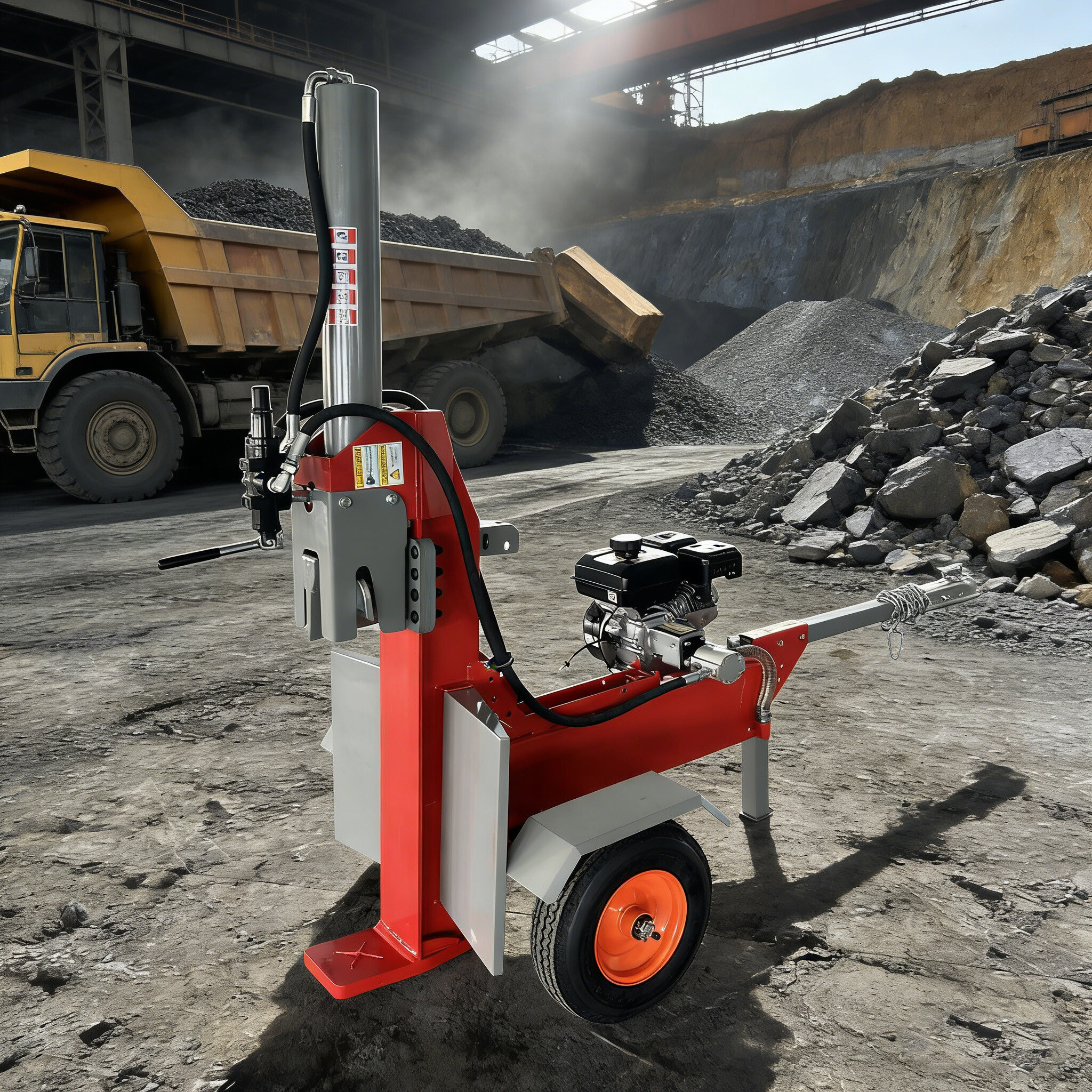
Log splitters are designed to improve efficiency and reduce manual labor in wood processing. However, improper operation can lead to reduced productivity, equipment damage, and safety risks. Understanding common operational mistakes helps users optimize performance and ensure safe, reliable operation.
This guide outlines frequent mistakes made during log splitter use and how to avoid them.
1. Using a Log Splitter Beyond Its Rated Capacity
Common Mistake:
Attempting to split logs that exceed the machine’s maximum diameter or hardness.
Impact:
Reduced splitting efficiency
Increased stress on hydraulic and mechanical components
Higher risk of equipment failure
Best Practice:
Always select a log splitter with sufficient tonnage for the wood type and size.
2. Incorrect Log Positioning
Common Mistake:
Placing logs unevenly or ignoring natural grain direction.
Impact:
Incomplete or failed splits
Increased cycle time
Higher blade and frame stress
Best Practice:
Align logs with visible cracks or grain lines and ensure stable placement.
3. Forcing the Splitting Process
Common Mistake:
Applying excessive or continuous pressure when resistance is high.
Impact:
Hydraulic overheating
Accelerated wear of seals and valves
Reduced machine lifespan
Best Practice:
Stop the operation and reposition the log or split it in stages.
4. Neglecting Regular Maintenance
Common Mistake:
Operating without checking hydraulic oil, fasteners, or blade condition.
Impact:
Performance degradation
Unexpected downtime
Increased maintenance costs
Best Practice:
Follow a regular inspection and maintenance schedule.
5. Operating Without Proper Workspace Preparation
Common Mistake:
Using the log splitter on uneven ground or in cluttered areas.
Impact:
Increased risk of tipping or instability
Slower workflow
Higher safety risks
Best Practice:
Set up the log splitter on a stable, level surface with adequate space.
6. Ignoring Safety Procedures
Common Mistake:
Operating without protective equipment or bypassing safety features.
Impact:
Increased risk of injury
Operational interruptions
Potential legal or compliance issues
Best Practice:
Always wear appropriate protective gear and follow safety guidelines.
7. Improper Use of Auxiliary Tools
Common Mistake:
Using saws or axes unsafely near the operating log splitter.
Impact:
Increased accident risk
Workflow disruption
Best Practice:
Separate tool usage stages and maintain clear working zones.
Conclusion
Avoiding common log splitter operation mistakes is essential for maintaining efficiency, safety, and equipment longevity. Proper capacity selection, correct log positioning, controlled operation, regular maintenance, and safe workspace management all contribute to reliable and productive performance.
For professional users and distributors, standardized operating practices reduce downtime and ensure consistent results.
This stunning beach house property is a true oasis, nestled in a serene coastal community with direct access to the beach.
Contact
West Street, Melbourne Victoria 3000 Australia