


Navigation
Contact us
Phone
Message
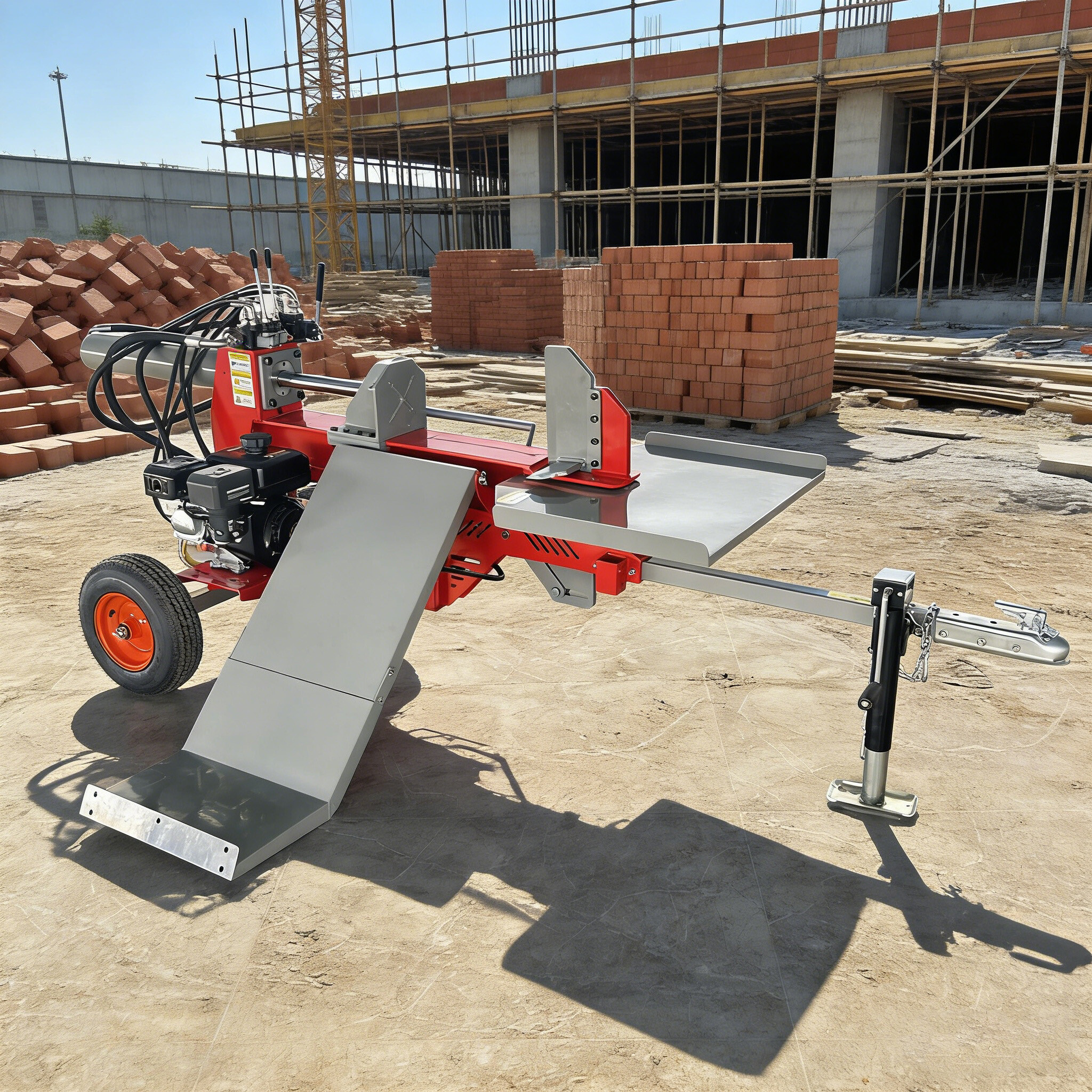
Log splitters are vital tools for the wood processing industry, offering efficiency and precision in splitting logs into usable pieces. As the global demand for timber, biomass, and firewood increases, the market for log splitters is expanding. This article explores the current market demand, driving factors, and future development prospects for log splitters.
1. Growing Demand for Firewood and Biomass
Market Drivers:
Renewable Energy Demand: As countries focus on renewable energy, biomass has gained importance as a green energy source. Log splitters are essential for efficiently preparing firewood and biomass for energy production.
Residential Heating Needs: The continued demand for cost-effective residential heating solutions, especially in rural and colder regions, drives the need for firewood and, consequently, log splitters.
Market Insights:
With a growing emphasis on sustainability and energy independence, log splitters are increasingly in demand for biomass production and residential use.
2. Technological Advancements Driving Market Growth
Key Innovations:
Hydraulic and Electric Models: Modern hydraulic log splitters offer faster operation and greater power, while electric models are becoming more popular due to their eco-friendliness and ease of use.
Smart Features: The introduction of sensor-based technologies, automatic cycle systems, and IoT integration for remote monitoring is boosting the efficiency and safety of log splitters.
Development Trend:
Technological innovations are improving the versatility and performance of log splitters, enabling them to handle a broader range of wood types and increasing their value for both residential and commercial users.
3. Commercial Use and Industrial Applications
Demand in the Commercial Sector:
Timber Processing and Sawmills: Commercial operations that deal with large volumes of timber require heavy-duty, high-capacity log splitters for continuous operation.
Landscaping and Woodworking: Log splitters are increasingly used in landscaping for creating wood chips, logs for outdoor projects, and in woodworking for producing materials from raw timber.
Market Opportunity:
The commercial market is expected to grow steadily as industries like construction, landscaping, and biomass production scale up operations.
4. Environmental Regulations and Sustainability Concerns
Market Impact:
As global awareness of environmental issues rises, the demand for environmentally friendly products, including log splitters, is growing. The increasing adoption of electric log splitters and energy-efficient models is in response to both consumer demand and government regulations on emissions and energy consumption.
Sustainability Trend:
Log splitters that meet regulatory standards such as CE and EPA certifications are gaining traction, particularly in regions with stricter environmental regulations.
5. Regional Market Trends and Demand Variation
Geographical Differences in Demand:
North America and Europe: The demand for log splitters is stable, driven by residential firewood production and commercial timber industries. In these regions, electric and hydraulic splitters dominate the market.
Asia-Pacific: The market in countries like China and India is growing due to increasing forestry industries, urbanization, and rising demand for wood products.
Market Insights:
While demand is stable in developed markets, emerging economies are seeing a surge in the use of log splitters, especially for commercial purposes.
6. Impact of E-Commerce and Online Retail
Digital Transformation in Sales:
Online platforms and direct-to-consumer sales are reshaping the log splitter market.
The rise of e-commerce has made log splitters more accessible to consumers globally, allowing manufacturers to expand their reach to new markets.
E-Commerce Trend:
E-commerce is expected to continue growing, with manufacturers and distributors offering online sales platforms, enhancing customer convenience, and expanding market access.
7. Future Prospects and Market Forecast
Market Growth Forecast:
CAGR (Compound Annual Growth Rate): The global market for log splitters is expected to grow at a CAGR of 5-6% over the next five years, driven by increasing demand in residential, commercial, and industrial sectors.
Emerging Markets: The Asia-Pacific and Latin American markets are poised to see significant growth due to increased industrialization, urbanization, and greater demand for sustainable wood products.
Conclusion:
The log splitter market is on an upward trajectory, driven by both technological advancements and growing global demand for wood products and renewable energy. The future looks bright as manufacturers continue to innovate with more efficient, environmentally friendly, and user-friendly machines. With steady growth expected, especially in emerging markets, the industry offers substantial opportunities for manufacturers, distributors, and investors.
This stunning beach house property is a true oasis, nestled in a serene coastal community with direct access to the beach.
Contact
West Street, Melbourne Victoria 3000 Australia