


Navigation
Contact us
Phone
Message
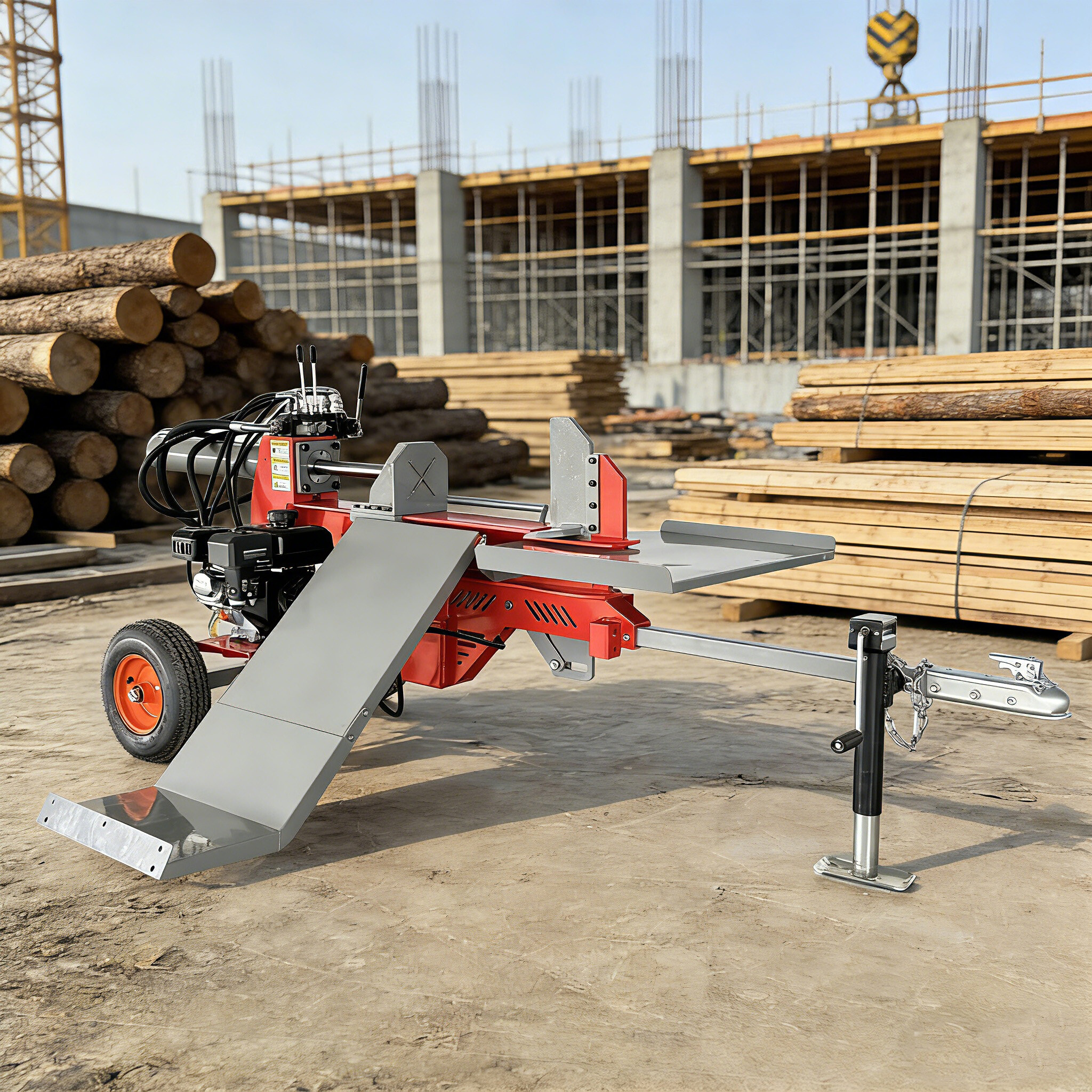
The power system is the core component of a log splitter, responsible for providing the necessary energy to drive hydraulic or mechanical splitting operations. Power system failures can significantly reduce performance, cause downtime, and increase maintenance costs. A systematic failure analysis helps identify root causes and implement effective preventive measures.
This article provides a comprehensive analysis of common power system failures in log splitters and corresponding diagnostic approaches.
1. Common Types of Log Splitter Power Systems
Main Power Configurations:
Electric motor-driven systems
Gasoline or diesel engine-driven systems
Hybrid power systems
Each configuration presents different failure modes depending on operating environment and workload.
2. Insufficient Power Output
Symptoms:
Slow ram movement
Incomplete splitting
Frequent system stalling
Possible Causes:
Worn or overloaded motor/engine
Low voltage supply or unstable power input
Hydraulic pump inefficiency
Diagnostic Measures:
Measure output voltage or engine RPM
Check pump pressure and flow rate
Inspect power transmission components
3. Overheating of Power System
Symptoms:
High motor or engine temperature
Frequent thermal shutdown
Degraded hydraulic performance
Root Causes:
Inadequate cooling system
Excessive load operation
Poor lubrication or oil quality
Solutions:
Improve ventilation and cooling
Reduce continuous duty cycles
Replace or upgrade lubricants
4. Abnormal Noise and Vibration
Symptoms:
Grinding or knocking sounds
Excessive vibration during operation
Likely Causes:
Misaligned shafts or couplings
Bearing wear
Loose mounting structures
Corrective Actions:
Re-align transmission components
Replace worn bearings
Tighten structural fasteners
5. Hydraulic Pump Drive Failures
Failure Characteristics:
Pressure instability
Oil leakage
Reduced system efficiency
Causes:
Seal degradation
Cavitation due to air intake
Shaft damage or misalignment
Maintenance Strategy:
Regular seal inspection
Proper hydraulic oil filtration
Prevent dry running conditions
6. Electrical Power System Faults (Electric Models)
Typical Issues:
Motor overload
Control circuit failure
Sensor malfunction
Diagnostic Methods:
Check current draw and insulation resistance
Inspect wiring and connectors
Test control modules and relays
7. Engine Power System Faults (Fuel Models)
Common Problems:
Fuel supply blockage
Ignition system failure
Air intake restrictions
Preventive Measures:
Clean fuel filters regularly
Maintain spark plugs and injectors
Ensure proper air filtration
8. Preventive Maintenance and Failure Prevention
Best Practices:
Scheduled inspection and servicing
Load monitoring and performance logging
Operator training and standard operating procedures
Operational Benefits:
Reduced downtime
Extended equipment lifespan
Lower repair costs
Conclusion
Power system failure analysis is essential for ensuring stable and efficient operation of log splitters. By understanding failure mechanisms related to motors, engines, hydraulic pumps, and control systems, operators and maintenance teams can quickly identify problems, implement targeted solutions, and establish effective preventive maintenance programs. A well-maintained power system is critical to achieving long-term reliability, productivity, and operational safety.
This stunning beach house property is a true oasis, nestled in a serene coastal community with direct access to the beach.
Contact
West Street, Melbourne Victoria 3000 Australia